
Compression socks for work all day are designed to provide the right level of compression that ensures blood flows freely in your feet and lower legs. You can get them in knee-highs, thigh-highs, pantyhose, sleeves, and toeless type.
What are Compression Socks?
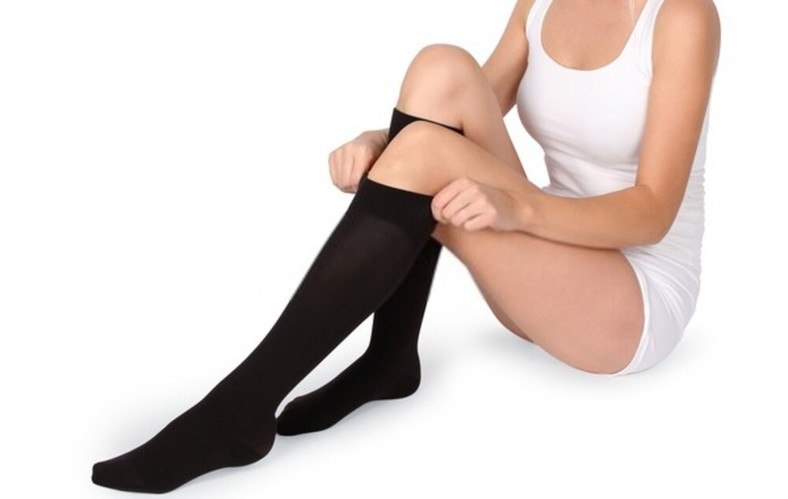
Compression socks are made of fabric that is tightly woven so it will compress when worn. They come in many types, but the ones used for work all day typically have a gradient compression rating of 15 or 20 mmHg at ankle level to 10mmHg at the top band. They promote better blood flow by putting pressure on your calf muscles which boosts circulation back up to your heart. This means that you will have less fatigue from the blood being pumped around your body. Your muscles will also be less likely to cramp up because they are not being stressed by having to push against a heavy surface.
5 Types of Compression Socks for All-Day Working
Have you ever felt soreness in your feet, legs, or lower back after spending the entire day on your feet at work? Well, I feel for you, friend! If so, I suggest incorporating compression socks into your daily routine. When choosing the right pair of compression socks, it is important to know which compression level is best suited for your particular situation. This will take some trial and error since everyone’s pressure requirements are different.
Knee-highs
These don’t go all the way up to your thighs and calves. Some of them have a top band, and some of them don’t. They are calf-length, so they are not thigh-high. Their band is usually 15-20mmHg compression; their ankle area is higher at 20-30 mmHg. This makes your feet feel lighter and more flexible, so you can stand for longer periods without experiencing fatigue, swelling, or pain in the lower legs.
They are designed to be worn with closed footwear such as dress shoes or pumps. The hem goes just below the knee so that you can wear pants over them without anybody being able to tell that you’re wearing them. They are made of smooth fabric, so they can be worn under your pants without them being noticeable. They are also recommended for long flights and car trips. They help reduce fatigue and swelling in the feet and ankles so you can walk around with ease while you’re on your vacation, business trip, or while traveling for work. Knee-highs generally cost between $15 and $30, depending on the brand and type. Thigh-highs cost more expensively, around $35-$50, because they go higher up. Pantyhose compression socks are less expensive than thigh-highs or knee-highs because they are only 15mmHg at the top band, not 20-30mmHg. You can wear them with pants over them if you want.
Thigh-highs
These are the most popular type of compression socks for work or home activities. They are designed to go all the way up to your thighs, so they are very similar to leggings. They stay in place under your pants because they have a higher top band and elasticized foot opening. The tops of most thigh-highs go up to the mid-thigh or upper-thigh area, depending on what height you choose for your compression sock. The highest ones go almost to the hip area and look like leggings.
They come in different lengths – calf-length, over-the-knee, and thigh-high – depending on what you’re looking for. To achieve compression, the fabric is woven tightly enough to compress but not too tight that it causes itchy skin or other unpleasant side effects. They also come in different colors (black, white, gray, pastel colors) and patterns (stripes, polka dots, polka dots with black straps, etc.). Thigh-high compression socks generally cost between $15 and $45, depending on the brand and length. You can wear them under your pants or wear them as knee-highs. They do not have gradient compression, but they are tighter at the top band, so they provide a higher level of compression than kneecap compression socks which only have a 15mmHg range.
Pantyhose
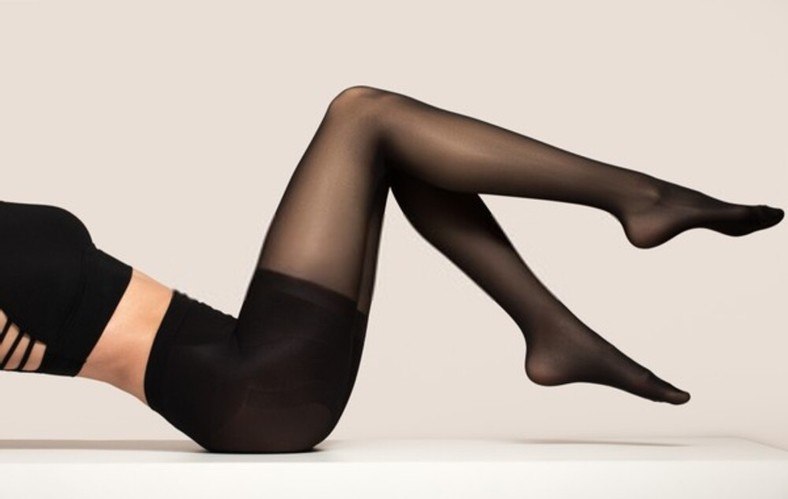
These are designed with a gradient compression of 10mmHg at the top band to 5mmHg at the ankle. They come in different colors, are knee-length or longer, and have hem openings for your pants so you can wear them under your pants when you want. They are made of smooth fabric, which is comfortable on your skin.
When wearing pantyhose compression socks for exercise, they provide a very small amount of compression in addition to just being form-fitting pants. It is suggested that you use them only with loose-fitting workout clothing to avoid chafing or causing symptoms comparable to vein damage in the calf muscles owing to tightness or limits on blood flow. You can wear these with closed-toe shoes, such as ankle boots or ballet flats since they have a higher top band. They also work well for travel because you can put them on when you’re checking into your hotel room and take them off before leaving for the airport or train station. Pantyhose compression socks generally cost between $10 and $30, depending on the brand and yardage. You can buy different types of pantyhose compression socks, including knee-highs, at the cost of around $20 to $40.
Sleeves
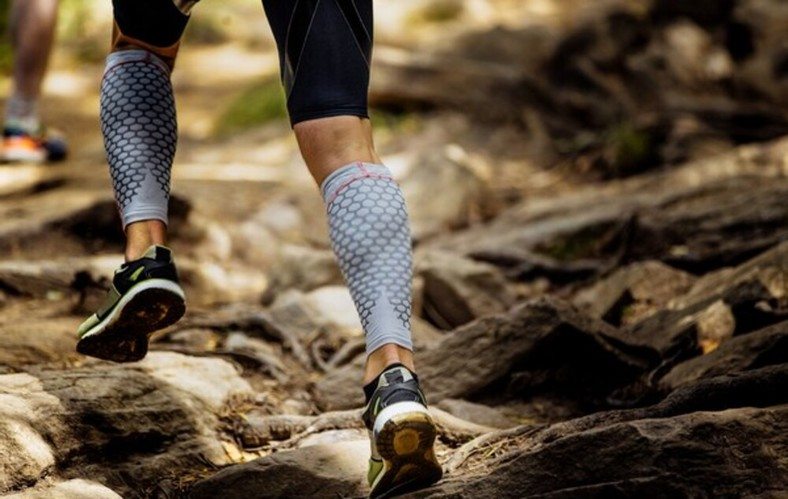
These are designed to go up to your mid-thigh area, making them the same height as your thigh-highs, except they stop at your knees instead of going all the way up to your thighs. They have a gradient compression of 10 mmHg at the top band to 5 mmHg at the ankle. The tops of some knee-high compression socks go just below the knee area, while others go halfway up to your knees.
This type of compression socks is also called “compression leggings” or “compression leggings for men” because they are so similar to pantyhose compression socks, except they are usually made with a thicker fabric and have a higher top band, so they stay in place. Some knee-highs come with reinforced panels at the foot areas, so they don’t roll down at the ankle while you’re wearing them and cause discomfort and irritation. These work well for travel and sitting because you can put them on before sitting down and take them off when you’re done sitting. They are also beneficial for specific sorts of activity, such as jogging or cycling, since they allow you to run or ride your bike without chafing or pain. Knee-high compression socks generally cost between $10 and $39, depending on how high they go.
Toe-less
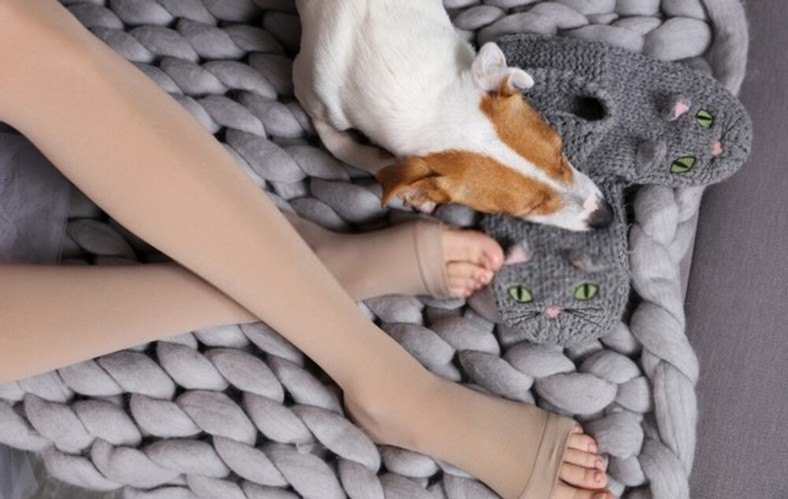
These are designed to go up to your ankle area, unlike regular compression socks that go up to your knee or thigh area. They come in different colors and patterns. The top band is higher, so it goes up to mid-calf or closer to the knee. It also has a reinforced heel for added fit and comfort, so they stay in place when you’re wearing them for long periods of time. These are great for everyday wear, work, school, traveling, sleeping, exercise, or just casual wear. They are available in calf-highs or knee-highs. Toeless compression socks generally cost between $15 and $40, depending on the brand and length. They are great for casual wear, work, school, traveling, sleeping, or exercising.
3 Benefits of Compression Socks
Improves Blood Circulation
When you stand all day at work, your feet naturally bear the brunt of the pressure by swelling and becoming heavy (developed for walking and running rather than standing and walking all day long). This wear-and-tear on your feet can lead to a number of injuries over time—the most common being DVT (deep vein thrombosis), which is a blood clot that can cause leg pain and swelling. Compression socks work to prevent DVT by stimulating the nerves in your feet, which results in painful but harmless tingling when you’re getting up and down from sitting all day long, thereby redistributing the weight off your feet.
Reduces Swelling
When you stand for a long period of time, your feet swell and become heavy. Compression socks work to prevent this by stimulating the tiny blood vessels in the feet, helping with circulation, and making your feet feel less heavy. Here’s what wearing them does for you: It redistributes weight through your ankle and shin muscles, helping relieve pain in the legs (caused by compression) by strengthening your muscles. Simultaneously, it reduces edema and improves circulation by assisting blood flow back to the heart.
Minimize Clot Formation
When you stand for a long period of time, the tiny blood vessels in your feet swell, and the body responds by forming a clot to help dilate the vessel. However, if you’re not wearing compression socks when you’re standing all day, the tiny blood vessels in your feet will continue to swell and form clots. Compression socks prevent this from happening by stimulating the nerves in your feet, which results in painful but harmless tingling when you’re getting up and down from sitting all day long.
Careers That Need Compression Socks
Standing Occupations

Compression socks for standing all day at work are a good investment in your health: receptionist, call center worker, cashier, accountant, corporate employee, etc.
Almost all of these jobs can be completed while sitting down. But even when you are sitting at your desk, it does not mean that you are not on your feet or standing for long periods of time. You get up to take phone calls and go to meetings. Long hours on the job also mean that more time is spent in transit–commuting to work and moving around your office building. Your body needs to be severely fatigued before sitting down, which means your legs are on the go for hours at a time.
Extra compression socks are a good investment in your health, even when you are sitting down all day, and can relieve muscle and joint soreness and also prevent blood clots. It will also help you enjoy a good night’s sleep because your legs and lower back muscles will be relaxed after a long day of standing and/or sitting. When wearing compression socks for standing or sitting all day at work, make sure they fit properly. Altimeter socks with a compression level of 3-10 and a good snug fit will be more comfortable than tight socks. You may want to try on multiple pairs until you discover the ones that feel the most comfortable and complement your style.
Restaurant & hospitality workers: Compression socks for standing or sitting all day at work are ideal for people who spend long hours on their feet in the kitchen, on stage, or behind the bar. It will also improve your productivity and make it easier to do what you need to do, such as moving around for cooking, cleaning, and serving food. Restaurant and hospitality workers can also benefit from improved circulation by wearing compression hoses under their uniform pants. Many chefs wear these under their pants during the day, so they don’t have to change out of them after working in the kitchen or bar until late evening.
Teachers: Teachers at all levels can benefit from compression socks, as they don’t move around as much and tend to spend their day on their feet. The compression will help keep the energy in their legs and feet throughout the day, increasing circulation and reducing fatigue.
Flight Attendants: A life of constantly being on your feet for 10 hours is hard enough for anyone person to handle, but with the added pressure of cabin pressure changes that often cause problems such as swelling or circulatory issues – it is important that they also wear compression socks. The socks help increase the flow of blood throughout the body, which stabilizes them during these changes in pressure. They also serve to increase circulation in the legs, which helps in the reduction of swelling when flying.
Sitting Occupations

Office workers: accountants, software developers, secretaries, receptionists, etc.
In the office workers positions mentioned above, you have to stand up all day and sit at a desk for hours each day. This can lead to muscle aches and pain from your hips down into your lower back. In order to help prevent this pain from occurring, you can wear compression socks! In terms of how many hours a day you have to stand or sit depends on what position you are in at work. But we can say that anyone who works at a desk for many hours will be able to benefit from wearing compression socks.
FAQs
Is it OK to wear compression socks if you sit all day?
Many office workers find themselves sitting at their jobs for long periods of time. There is nothing wrong with sitting all day, but it can make your legs swell up. When you spend hours in the same position, the blood pools in your legs and creates swelling tissue that can make your ankles look bigger than they are! You should wear compression socks to work if you sit all day to help reduce swelling in the lower leg area.
Do compression socks help while sitting?
Some people say that wearing compression socks makes them feel more comfortable when they are sitting at their desk working for a long time or doing something that requires them to sit still. Compression socks can help prevent swelling and improve blood circulation so your legs don’t feel as tired as they would if you didn’t wear compression socks.
Is it OK to wear compression socks to work?
If you are only required to sit for short periods of time, it is unlikely that wearing compression socks will make a difference. However, if you are required to sit for long periods of time, definitely wear them! There are many different styles of compression socks available today. Some office workers prefer wearing knee-length style compression sleeves, whereas others prefer calf-length style sleeves. Some folks find that they can wear calf-length compression socks to work without drawing any weird glances. If you can wear your compression socks at work, do it!
Can you wear compression socks if you stand all day?
If you stand all day at your job, wearing a pair of compression socks will not make any difference. Your legs will become tired, but they won’t swell up as badly as they would if you sat still for a long period of time. It is crucial to note that although your legs may hurt after standing all day, they may feel better than your “perky” legs after sitting in the same position for hours! Leg pain occurs from standing too much because the muscles tire and cramp.
Should office workers wear compression socks?
Yes, office workers should definitely wear compression socks to help reduce swelling caused by long hours of sitting. Whether you are required to sit at your desk for several hours, or you are required to stand all day at work, wearing leg sleeves can help relieve pain in your legs and feet. The compression will force blood flow back towards your heart, so your legs don’t feel so heavy!