
Today, life is more and more modern thanks to the genius inventions of scientists. Have you wondered what the most famous scientists in the world are, who they are, and what “unique” advantages they have that create impressive and amazing feats?
Perhaps at some point, you wonder what the most famous scientists in the world are, who they are, and what “unique” advantages they have that create extraordinary miracles. The following is a list of scientists who have brought good things to our lives today.
Albert Einstein
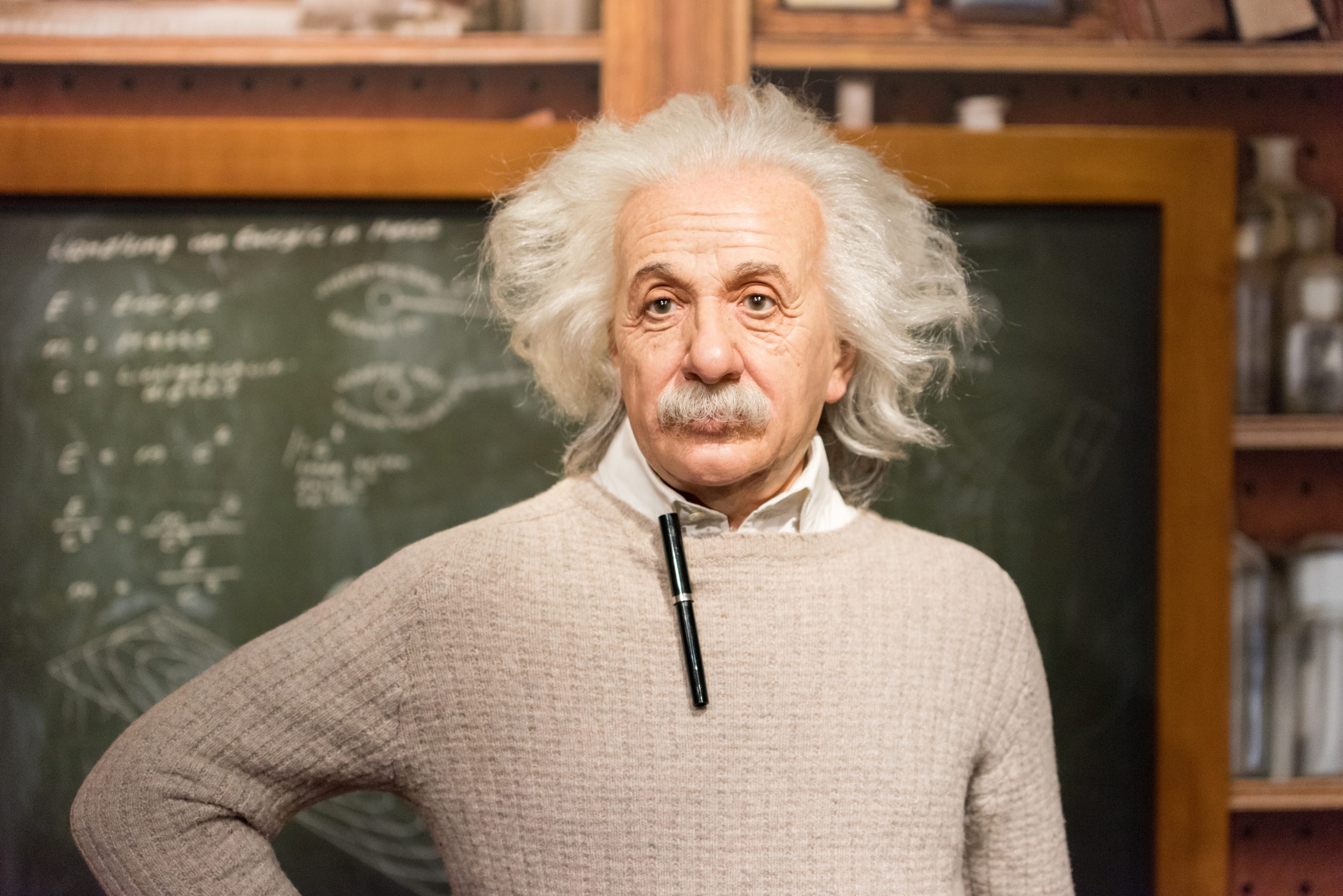
Albert Einstein (1879-1955) was one of the most recognized scientists of all time, with his name nearly synonymous with the term “genius.” Albert Einstein was awarded the Nobel Prize in Physics in 1921. Since special relativity was still a controversial topic, the Nobel committee awarded him the prize for his explanations of the photoelectric effect and contributions to physics. It was not until much later that it became known how influential his theory of relativity was. Thanks to Einstein, the perception of the universe has completely changed, and it even helped shape the world we live in today.
Isaac Newton
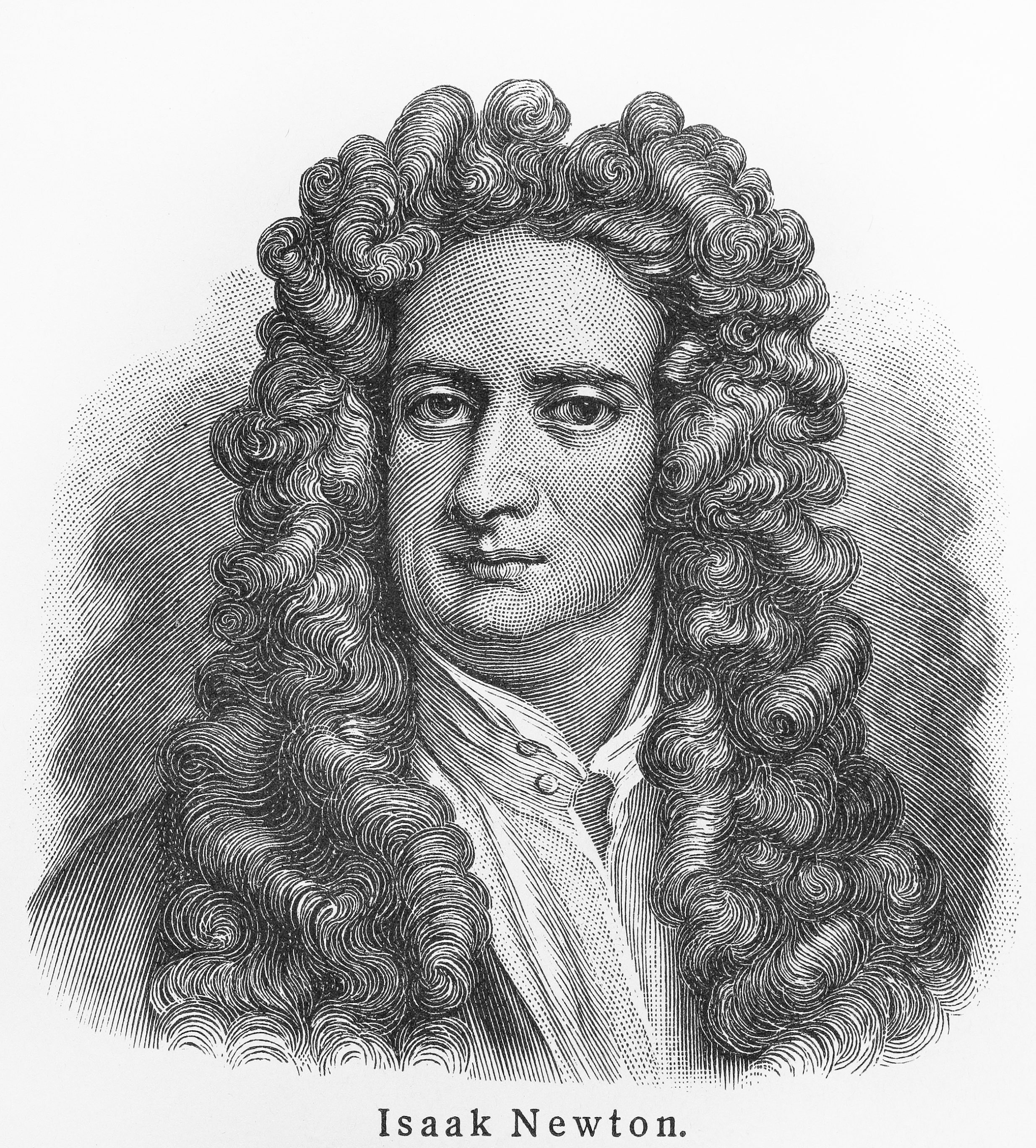
At the age of 17, Isaac Newton graduated from high school. The period from 12 to 17 years old is an essential foundation for learning mathematics and a stepping stone for the later great discoveries of scientist Isaac Newton. In 1665, he graduated with distinction from Cambridge University and was retained as a lecturer in optics and experimental instructor at the school. All his life devoted to research, day by day immersed in numbers and scientific theories, scientist Isaac Newton has left a treasure trove of wondrous discoveries for posterity.
Galileo Galilei
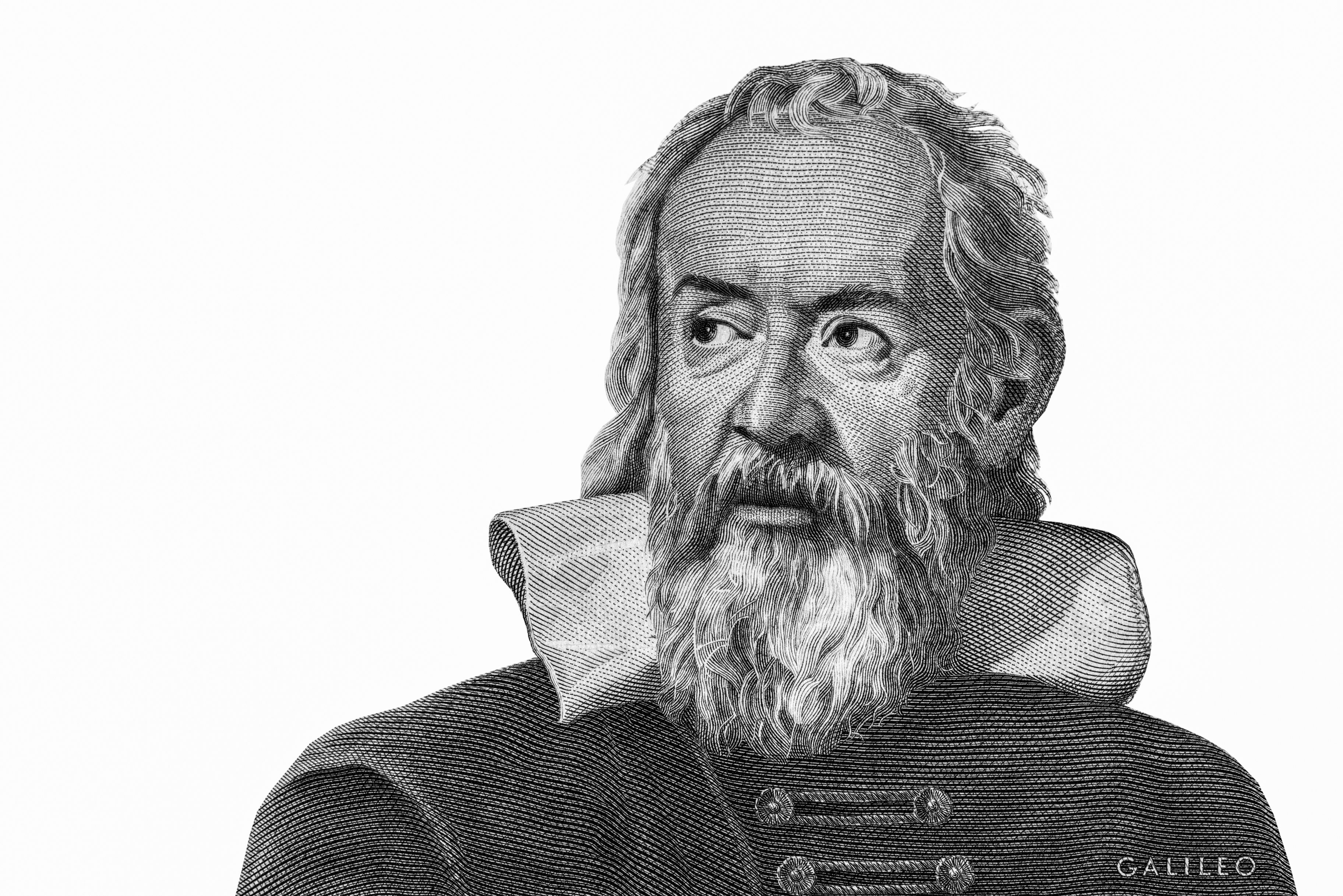
Galileo Galilei (1564–1642) was a well-known scientist, mathematician, and astronomer who was instrumental in the Scientific Revolution. His achievements include telescope upgrades and subsequent astronomical measurements, as well as support for Copernicus’ theory. Galileo has been referred to as the “Father of Modern Astronomical Observation,” “Father of Modern Physics,” and “Father of Modern Science.” “Galileo, possibly more than any other man, is responsible for the creation of modern science,” stated Stephen Hawking. He passed away on January 8, 1642.
Charles Robert Darwin
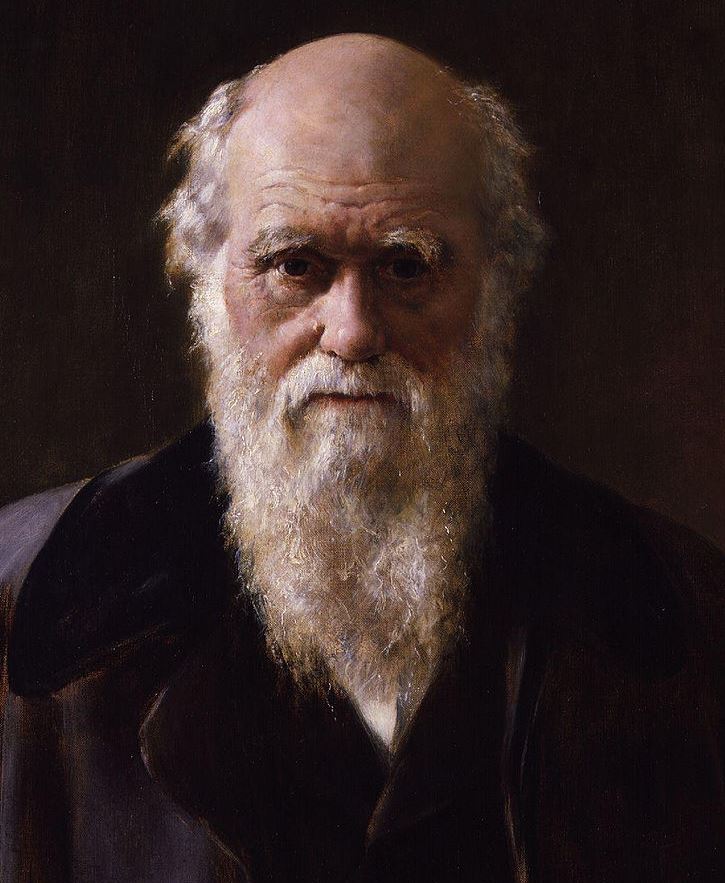

Charles Darwin was a great British scientist and naturalist, the “father” of the theory of evolution. He is famous for the story that even though he was a famous scientist, he still studied hard. However, there are also many unbelievable stories surrounding him.
Aristotle
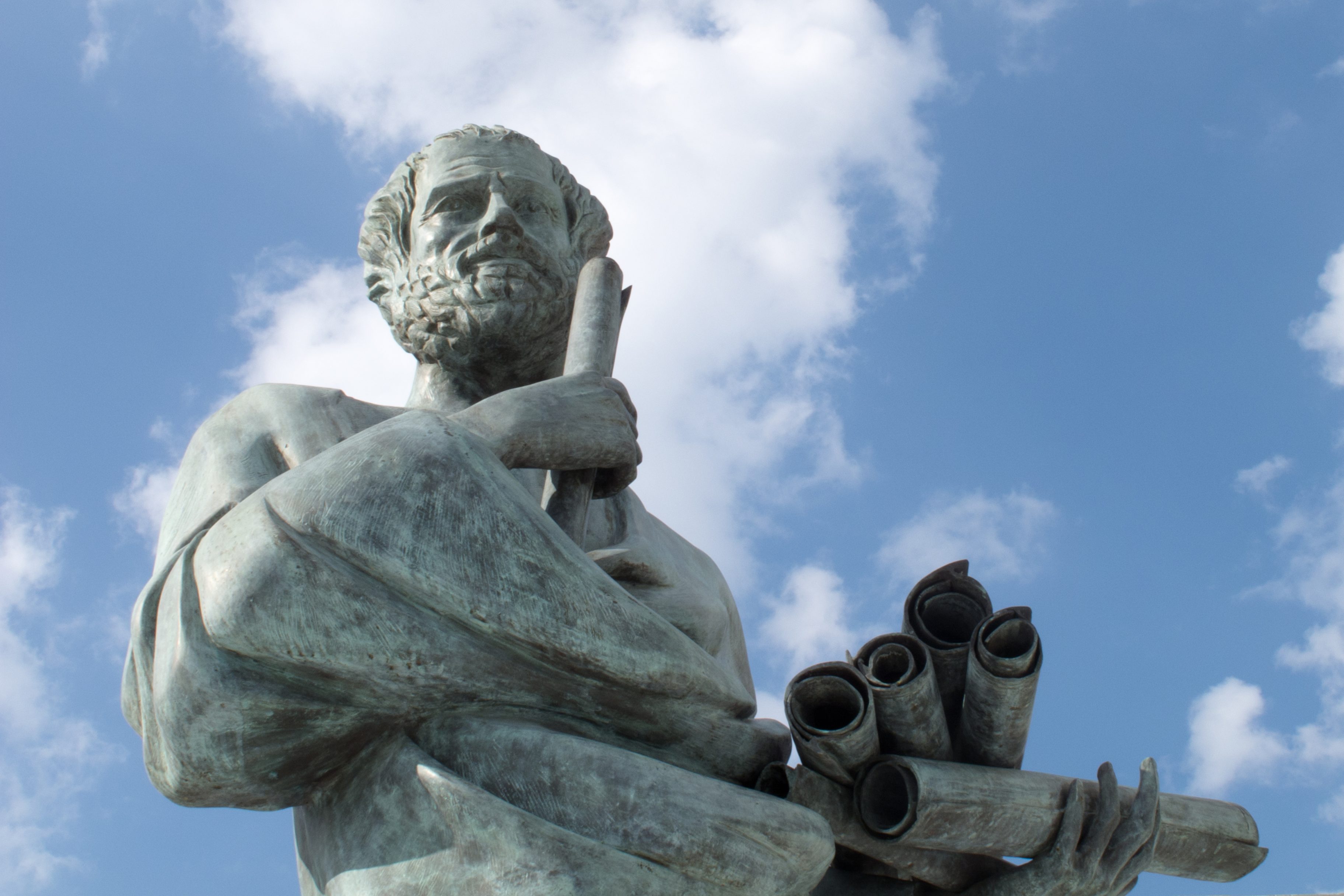
Although Aristotle was not a scientist by today’s definition, science was among the areas he studied during his extended stay at the Lyceum. Aristotle believed that knowledge could be gained through interaction with physical objects.
In Meteorology, Aristotle also immersed himself in the earth sciences. He didn’t just study the weather. In Meteorology, Aristotle identifies the water cycle and discusses topics ranging from natural disasters to astrological phenomena. Although many of his views about the Earth were controversial then, they were accepted and popularized in the late Middle Ages.
Thomas Edison
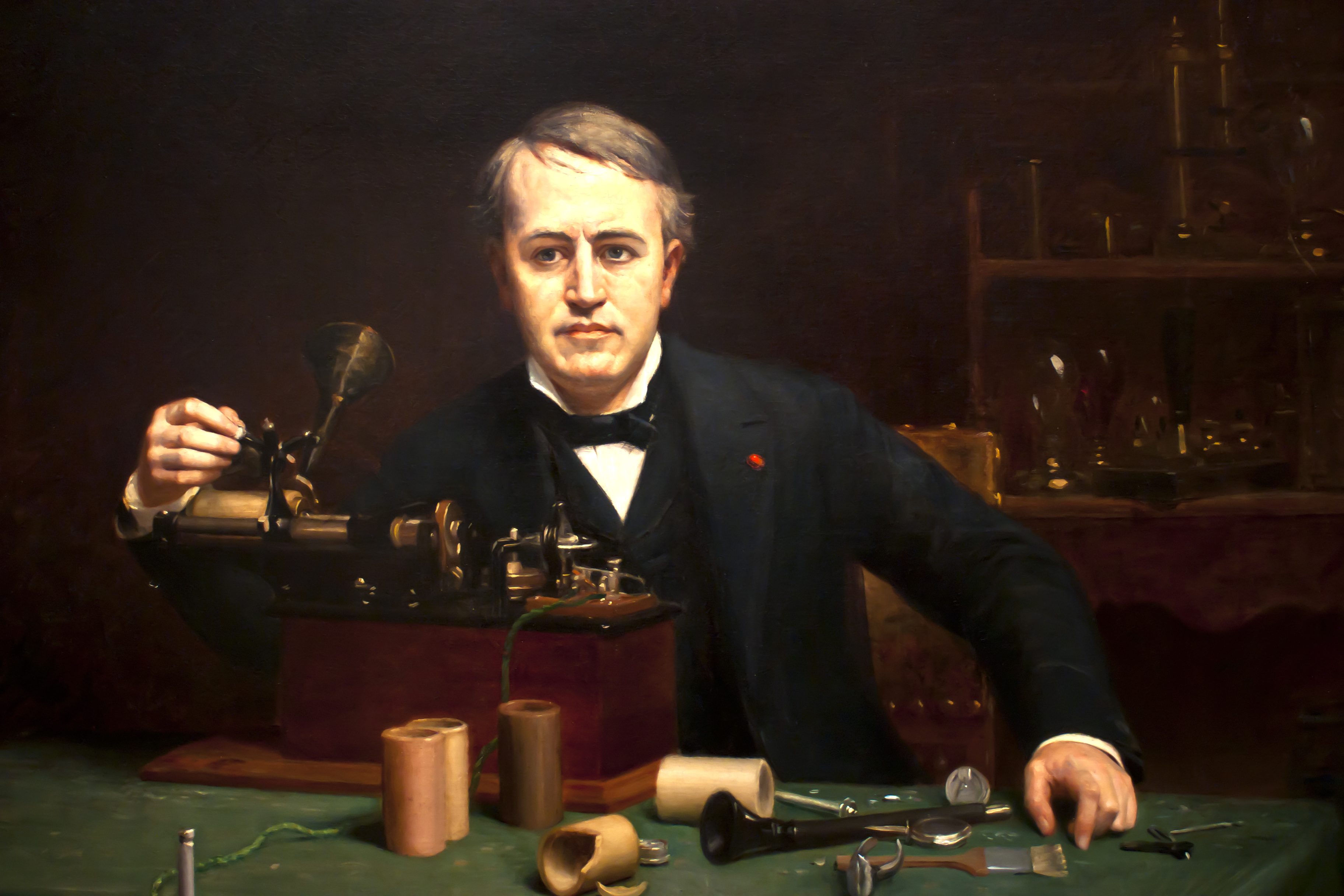
Thomas Edison was a great inventor whose inventions had a significant influence on the development of the world. Surely all of us have heard of Edison’s invention of the electric light bulb, but few people know about his life and all of his great inventions. Therefore, in the article below, we will share information so that you can better understand this great scientist.
A portrait of Thomas Edison is on display at the National Portrait Gallery where millions of visitors go to take in the sights of all of america s most famous people in portrait form.
Alessandro Giuseppe Antonio Anastasio Volta
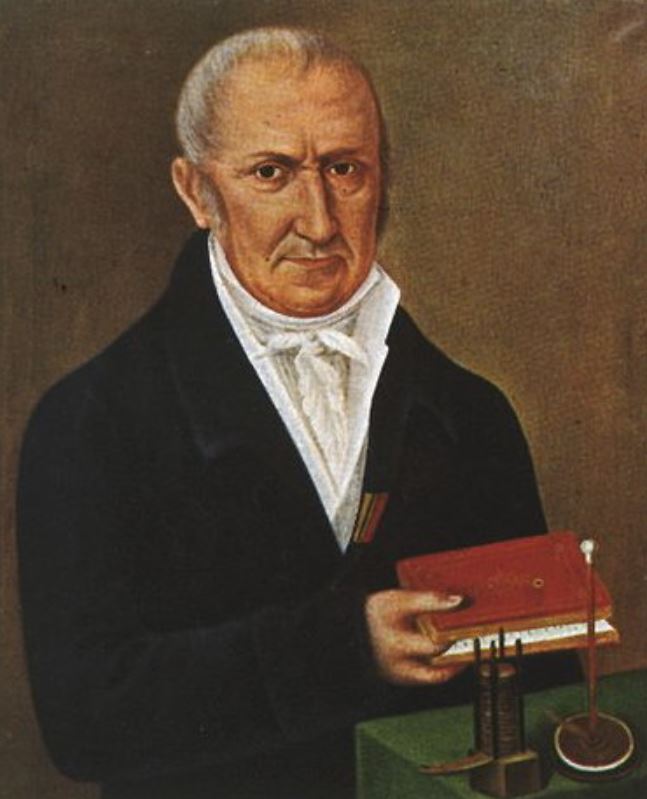
Count Alessandro Giuseppe Antonio Anastasio Volta was an Italian scientist who lived from February 18, 1745 until May 5, 1827. He is credited with creating the electric battery, and his name is derived from the voltage unit volt (symbol V).
Louis Pasteur
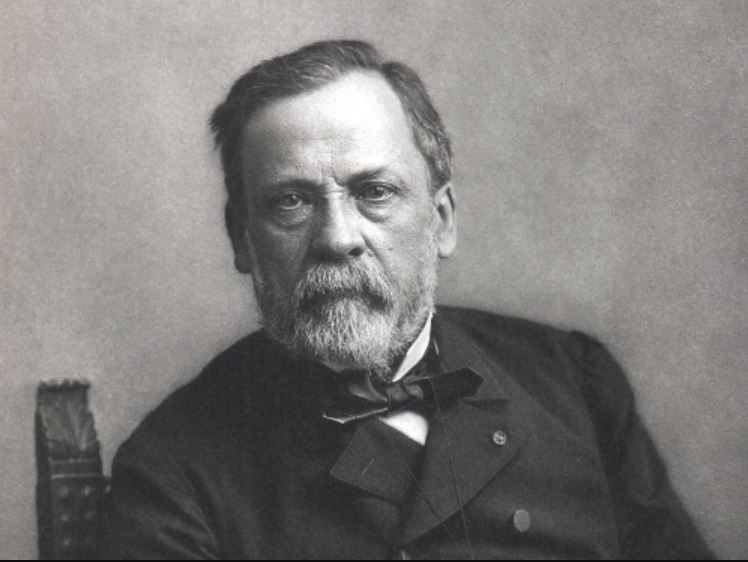
Louis Pasteur (1822 – 1895), Vietnamese transliteration Lui paste, was a French chemist, physicist, biologist, and microbiologist. He discovered the rabies vaccine, anthrax vaccine, and cholera vaccine. He laid the foundation for microbiology, considered one of the “fathers of microbiology,” along with Ferdinand Cohn and Robert Koch.
Louis Pasteur
Jagadish Chandra Bose
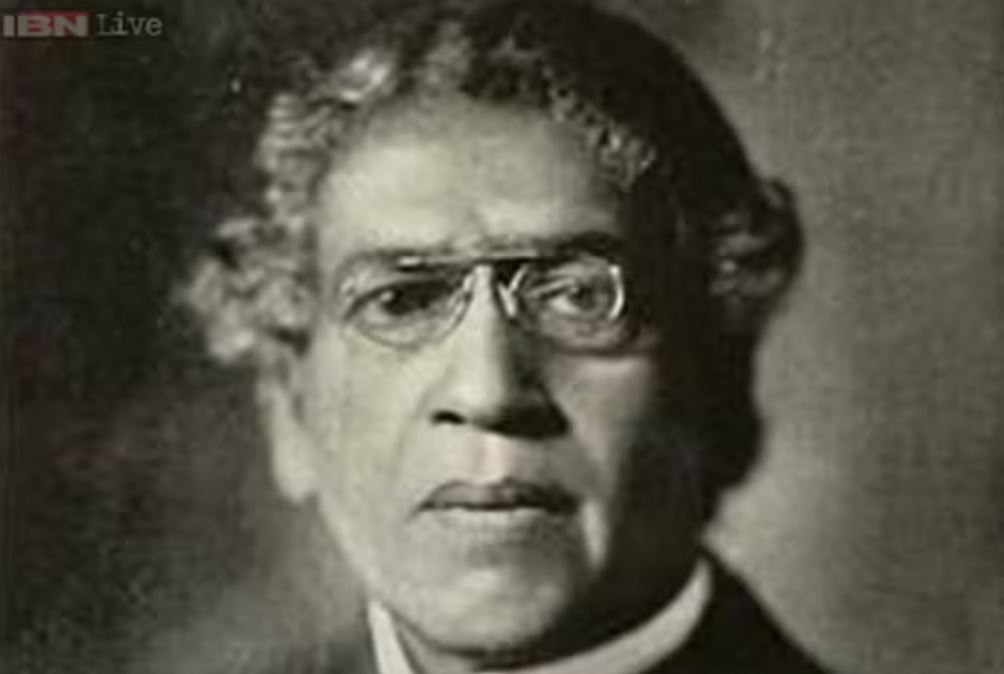
Sir Jagadish Chandra Bose was an Indian whose contributions to many fields of science, including physics, botany, and biology, made him one of his most famous scientists and researchers. Modern modern. Bose (no relation to the modern American audio equipment company) pursues altruistic research and experimentation without any desire for personal wealth or fame and research and invention without any desire for personal gain or fame. He created in his lifetime and laid the foundation for our existence: plant life, radio waves, and semiconductors.
Stephen Hawking
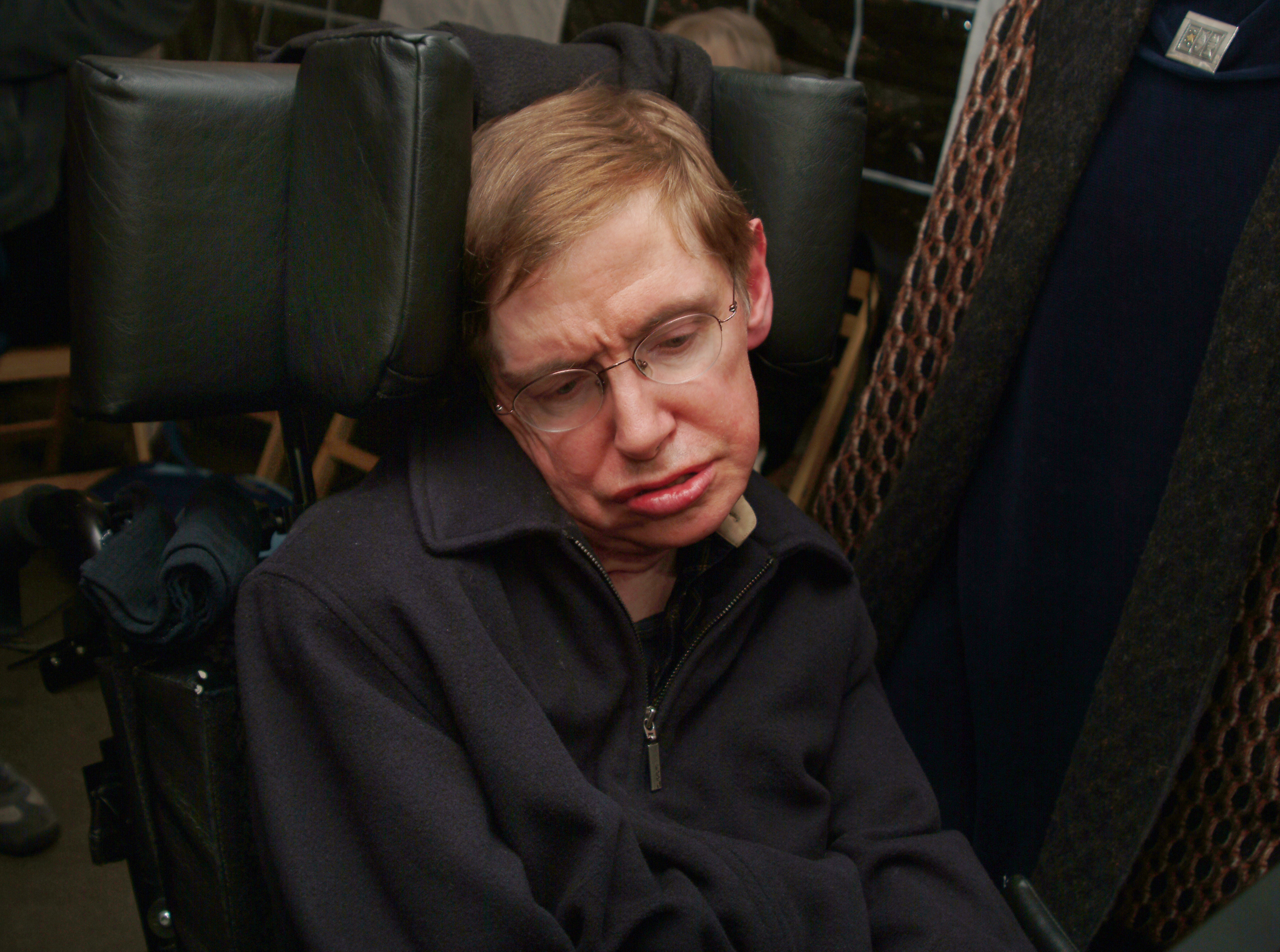
Stephen Hawking is a brilliant English physicist who was born on January 8, 1942, and has dedicated his life to solving the universe’s riddles. The Guardian labeled Stephen Hawking “the brightest light in modern cosmology.” He is the author of A Brief History of Time, one of the most popular science fiction works.
Marie Curie
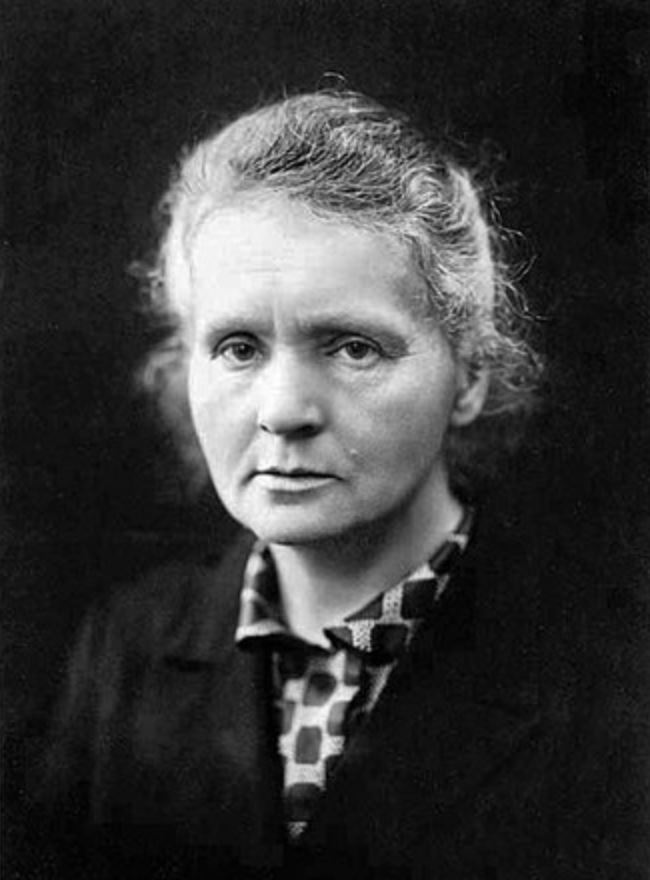
Marie Curie is the first and only woman in history to receive the Nobel Prize in two distinct subjects.
Marie Curie is a French physicist and chemist of Polish origin, known worldwide for her research on radioactive substances. She is the first and only woman in the world to receive the Nobel Prize twice in two fields. Marie Curie’s life is a magical story with many great legends.
Nikola Tesla
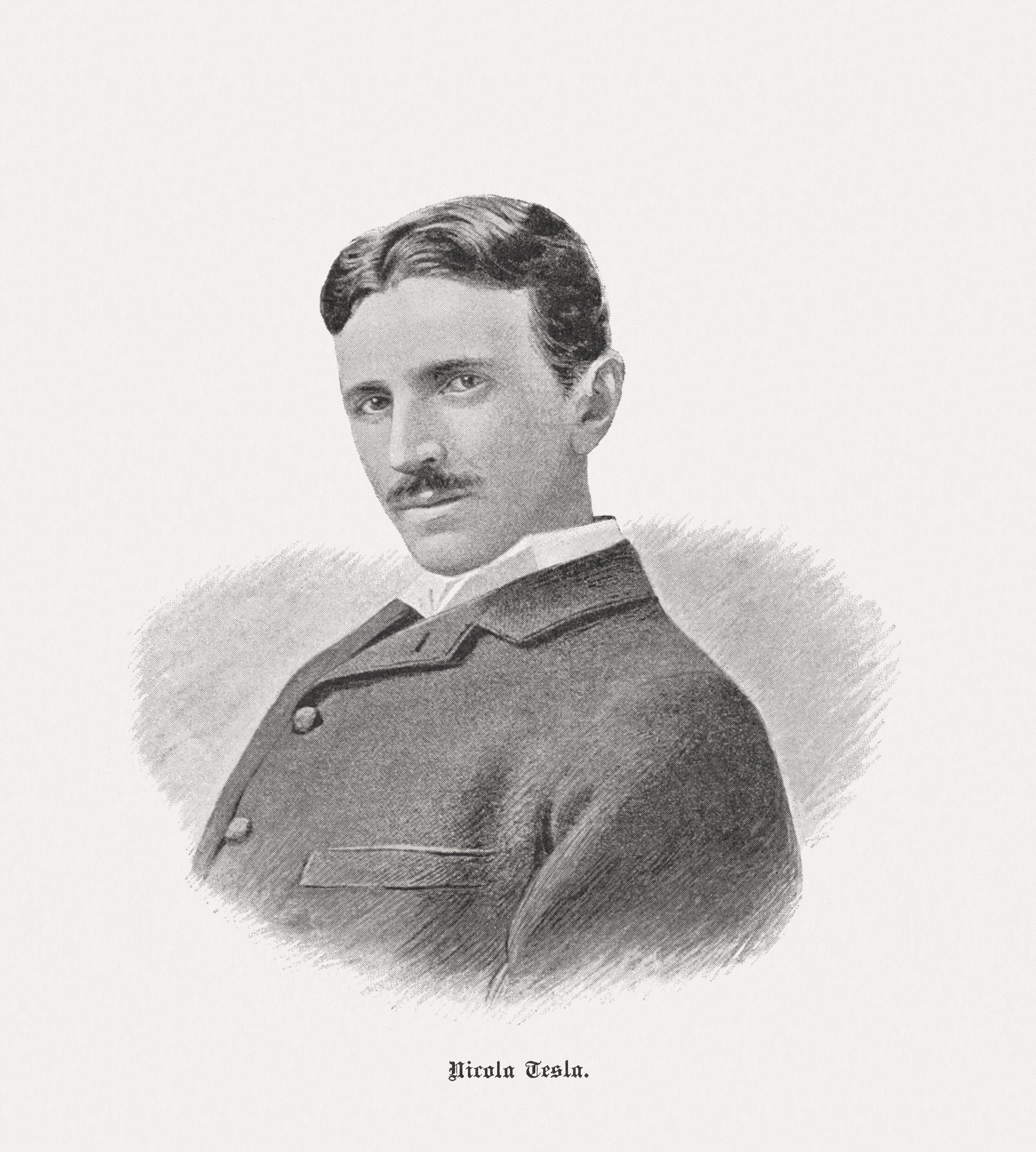
Nikola Tesla (July 10, 1856 – January 7, 1943) was a Serbian-American inventor, electrical engineer, and mechanical engineer. He is a futurist and is considered one of the most creative and insane scientists in history. His designs – about 300 patented – are forward-looking, and that’s why people call him “the inventor of the 20th century”.
Otto Hahn
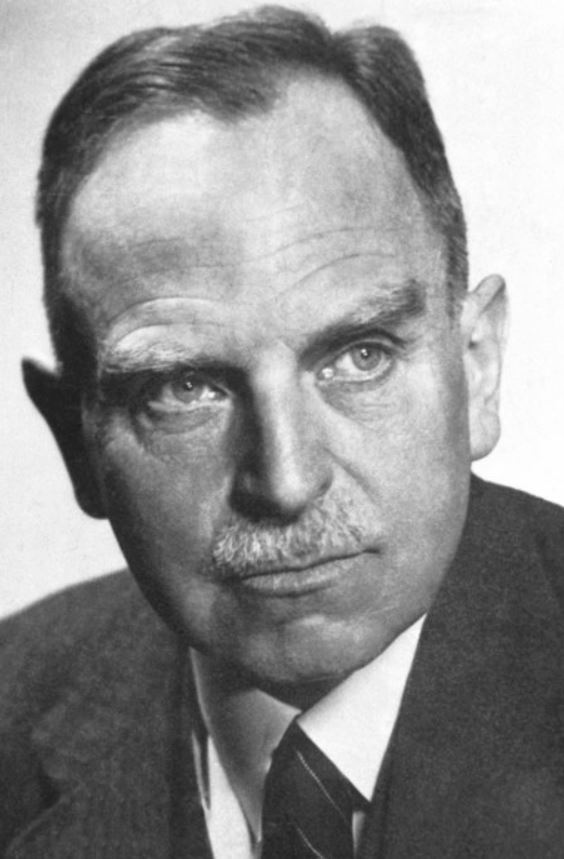
Otto Hahn was a famous German chemist who won the Nobel Prize for the discovery of nuclear fission after a period of work with radioactive isotopes. Nuclear fission is considered the critical invention that ignited the atomic bomb, although Hahn was not directly involved in its development. He is considered one of the most famous chemists and the “father of nuclear chemistry”. He is also widely revered as an exemplary scientist with a stellar history of academic achievement, excellent work methods, and a strong record of personal integrity.
Michael Faraday
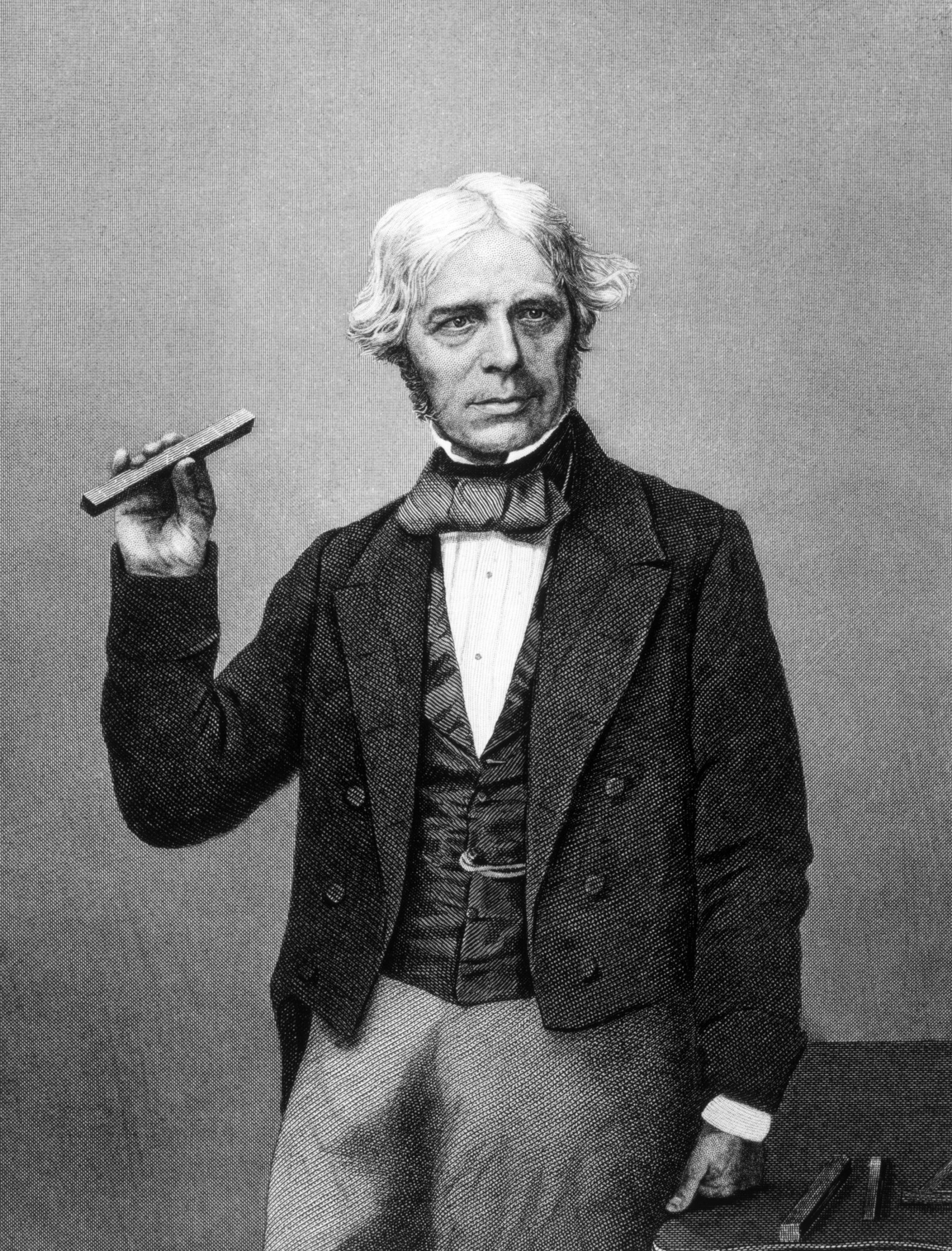
Michael Faraday was born on September 22, 1791, in Newington Butts (a suburb of London), into a low-income family whose father was a blacksmith. From a young age, young Faraday was thoughtful and studious but had to leave school early to help support his family. Michael Faraday is known around the world because he is the person who has the most outstanding merit in turning “magnetic” into “electricity” – the cleanest and most popular source of energy today. With his invention, he became an immortal scientist in the hearts of humanity.
Alexander Fleming
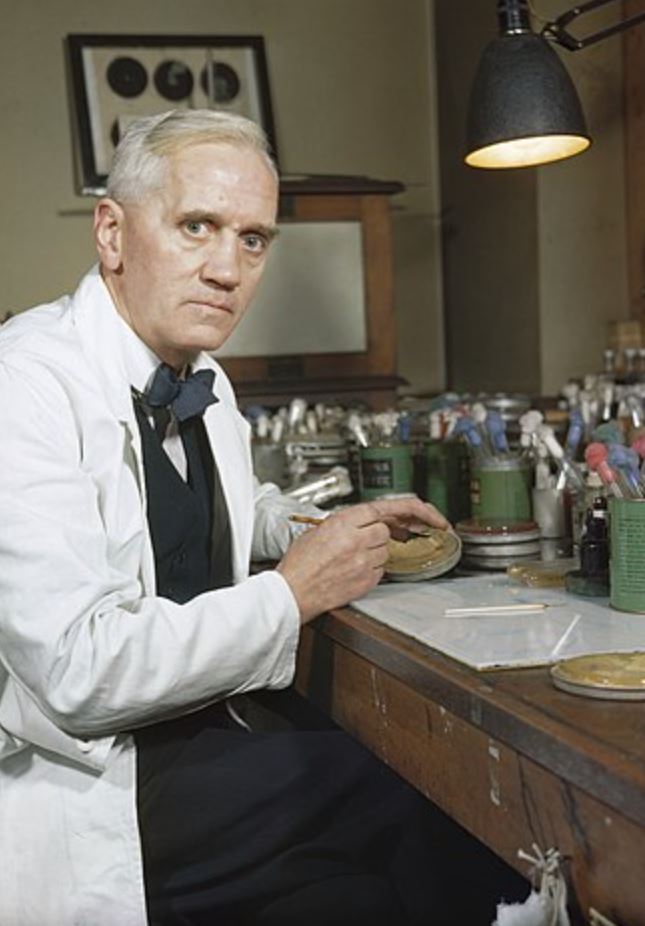
Alexander Fleming was born on August 6, 1881, in Lochfield, Scotland, in the north of England. He lived in a heavily polluted industrial area, resulting in infections such as pneumonia, diphtheria, meningitis, sepsis, etc., causing many deaths. Fleming was determined to become a doctor to help the sick from a young age.
Dmitri Ivanovich Mendeleev
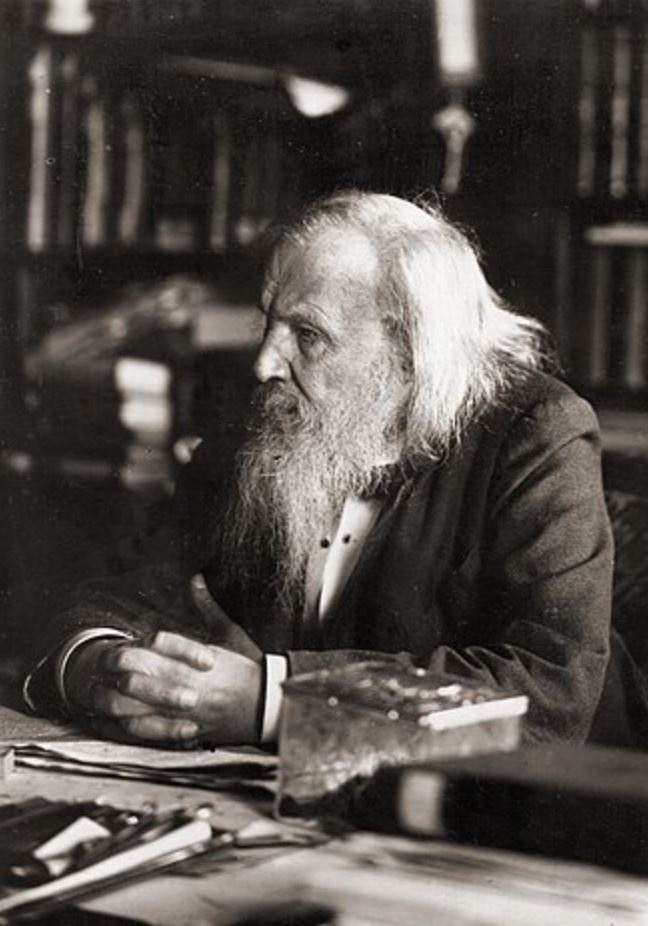
Scientist Mendeleev, full name is Dmitri Ivanovich Mendeleev, was born in 1834 in the Russian village of Verhnie Aremzyani. Mendeleev is believed to be the youngest child in a large family, whose father was a high school principal. At 13, after his father died and his mother’s factory was destroyed by fire, Mendeleev attended high school. I studied Tobolsk and Natural Sciences and Mathematics at the University of Science.
Archimedes
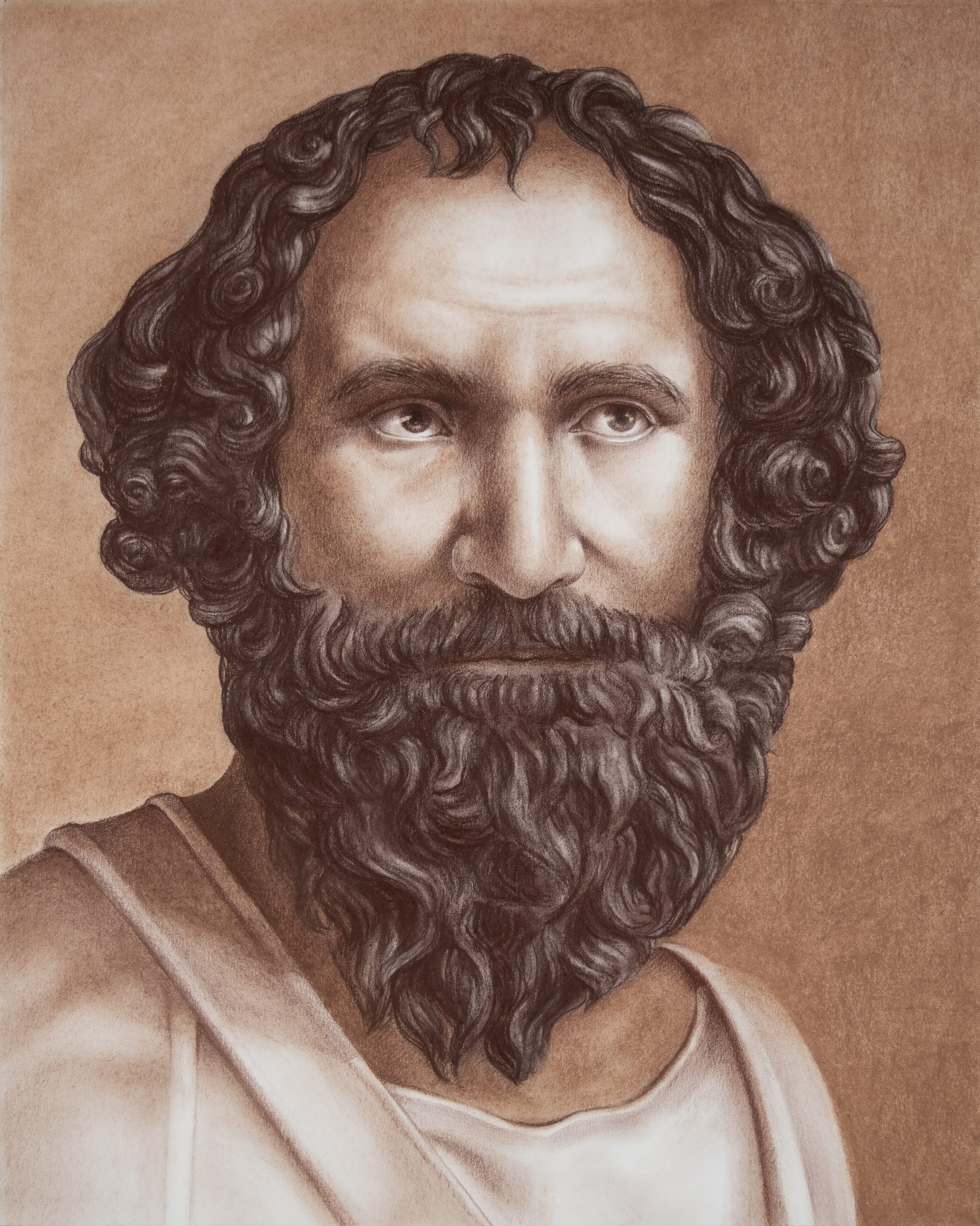
Archimedes (287 – about 212 BC) was born and raised in Syracuse, a city-state of ancient Greece. Archimedes’ father was the mathematician and astronomer Phidias. His father was also the guide for his future path of Archimedes. Archimedes (or Acsimet) of Syracuse was a Greek mathematician, physicist, engineer, inventor, and astronomer. Although few details about his life are known, he is considered one of the leading scientists of antiquity.
Leonardo da Vinci
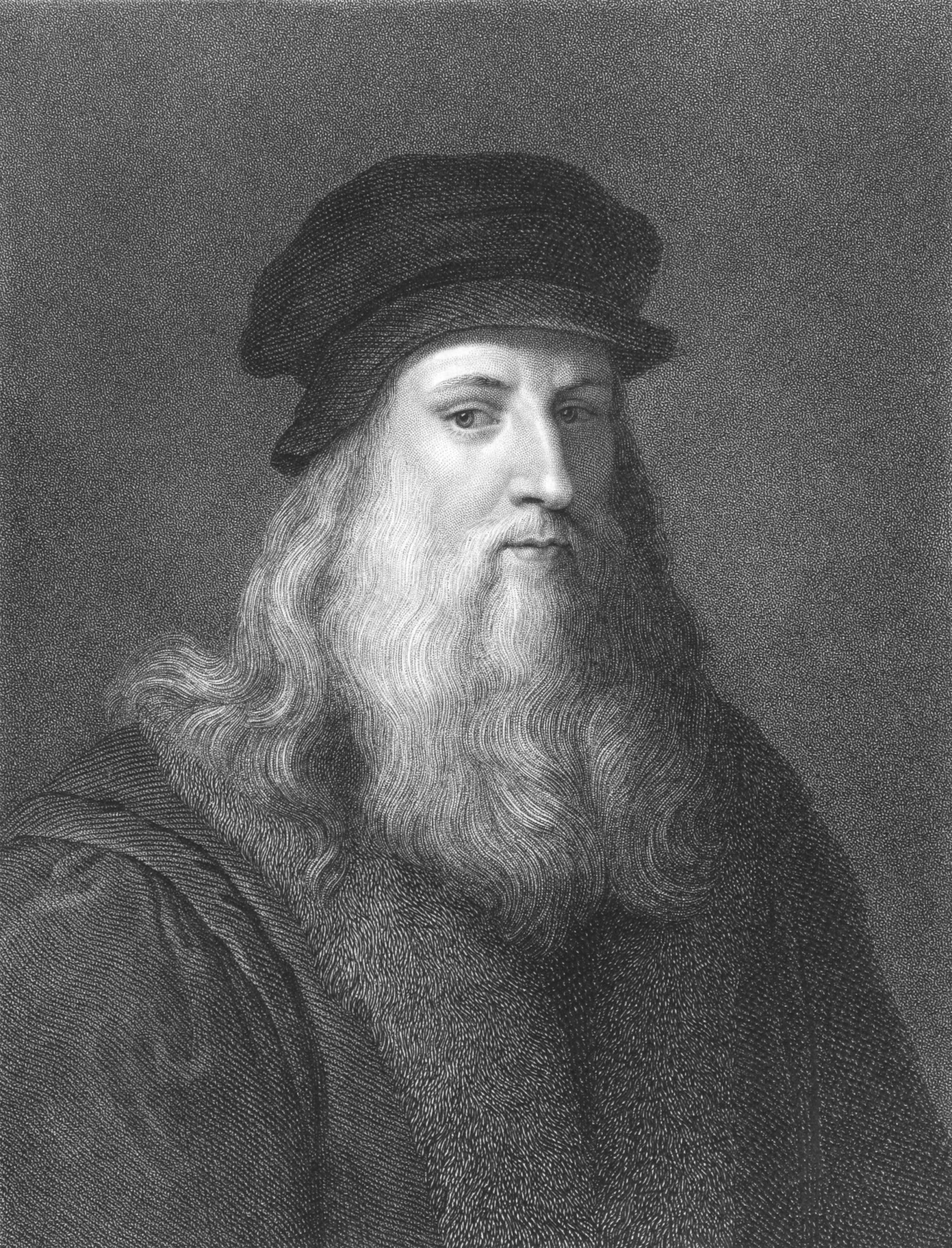
Leonardo da Vinci is one of the world’s most recognized geniuses, yet his private life is as mysterious as the Mona Lisa’s grin.
Leonardo da Vinci was an Italian painter, sculptor, architect, musician, physician, engineer, anatomist, inventor, and philosopher of the 15th and 16th centuries. He is the Mona Lisa, The Last Supper, and The Vitruvian Man. The Louvre in Paris, which houses the Mona Lisa, is holding events to mark the 500th anniversary of his death.
James Clerk Maxwell
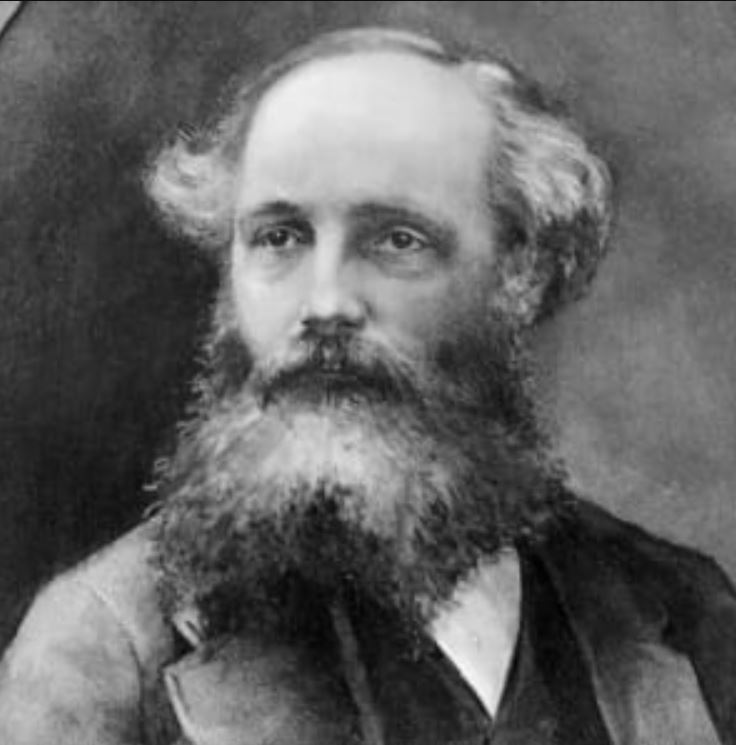
James Clerk Maxwell (1831 – 1879) was a Scottish-born scientist who specialized in mathematical physics and whose achievements were recognized both before and after his death.
He was regarded as one of the most influential scientists of all time, well known for developing the theory of electromagnetic radiation. His ideas laid the groundwork for the radio station that exists today.
Enrico Fermi
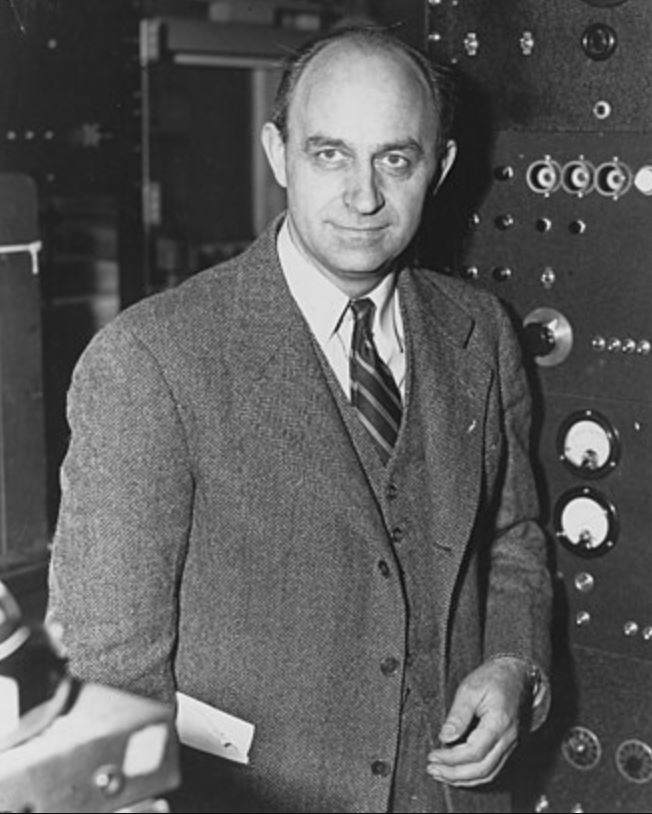
Enrico Fermi was a physicist whose essential discoveries about the atom led to the division of the atom (atomic bomb) and the exploitation of its heat into a source of energy (nuclear energy). Enrico Fermi was born around the turn of the twentieth century in Rome. No one could have predicted the global significance of his scientific discoveries at the time.