
Each person has their choice of work. However, because of circumstances, passions, or interests, you may have to choose a job where you often have to stand to communicate or sell your store’s items. Even though you know that this is work, you have to endure it. However, there is still a way to stand for a long time without getting tired of your legs. Therefore, you can minimize the pain of your legs while having to stand continuously for 24 hours a day.
What happens to your body when you stand all day?
Standing all day can cause some problems. The body can get stiff or hurt if you stand for too long. It can also get tiring and hurt due to the lack of movement. Some of these problems are related to low blood circulation (which is caused by standing). Standing all day may also lead to sleep apnea, which is when your airways narrow during sleep, causing you to wake up frequently or stop breathing momentarily while sleeping. If this happens frequently, it could cause serious health problems that I am unaware of at this time.
Standing all day can also be physically dangerous for people with certain conditions like diabetes and heart disease since it increases the chances of having a stroke or heart attack since blood on your brain or on your heart has less room to move.
Health Risks When Standing All Day
When you are standing all day, it can lead to a number of symptoms. One of the most common symptoms is muscle pain in the posterior calf, also known as Achilles tendonitis. This can be painful and may even seriously limit your ability to move.
Another effect that standing all day can have is to increase symptoms of metabolic syndrome, which is a set of symptoms that affects more than 20 million Americans. The symptoms include increased weight, changes in waist size, increased triglycerides (fat), decreased HDL (good) cholesterol, high blood pressure, and high glucose levels in the blood. People with metabolic syndrome are at increased risk for heart disease, stroke, and diabetes.
Standing all day also increases the risk for DVT (deep vein thrombosis). This is when blood starts to clot in your veins, which can cause pain and difficulty moving. Those who are bedridden for extended periods of time are also at an increased risk for DVT.
Standing all day may also lead to other health problems. One of the main ones is that your body doesn’t get enough blood and oxygen, and that can lead to various forms of cancer. Standing all day has been associated with breast cancer in women but we don’t know exactly why this is so. Or standing all day could increase your chances of having a heart attack or stroke, which affects the heart and/or blood vessels, respectively. You might also be more likely to develop or have urinary tract infections if you stand during the day for several hours each day over a long period of time because bacteria can get trapped in your bladder if it is empty. You could also get kidney stones or get kidney damage over time if you stand all day.
17 Tips to Relieve Leg Pain From Standing All Day
Feet and legs are not just auxiliary body parts—they’re vital organs. Your feet and legs provide you with all the help you need, like carrying your weight around and helping to regulate blood pressure. And they’re an important part of preventing disease. Take care of them today with these 7 tips for caring for your feet and legs:
Change High Heels Sometimes
If you often wear high heels, you will suffer from constant pain. Be prepared to add a pair of heels with a slightly lower height. Alternately throughout the day, to create a comfortable feeling for your feet, avoid putting too much pressure on your feet. It will not be suitable for your feet. Also, don’t wear pointed-toe shoes regularly because you will get calluses or crooked thumbs in the shape of the shoes.
If you often have to stand to work, you should wear shoes that fit and should not be too tight or too wide. If you choose too-tight shoes, your feet will blister and cramp, making the whole workday a disaster. Or it would help if you chose shoes a little bigger, to create comfort and relaxation for your feet.
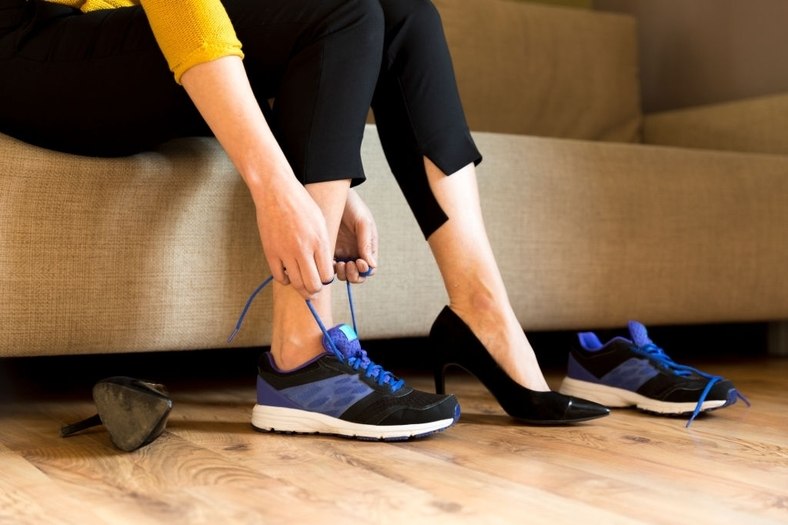
Use Good Shoes for Standing All Day

The type of shoes for standing all day is open-toed or slip-on shoes that allow you to easily change your position at work. While you can find some shoes that are better than others at reducing leg fatigue, they are generally more expensive than casual, athletic shoes. If you do happen to be on a budget, I would recommend looking for athletic shoes, especially running shoes, at thrift stores or discount stores. While these shoes may not be the most comfortable, they will help you to stand all day without hurting your legs and feet.
Besides, Women’s supportive running shoes can also help provide stability and help reduce leg fatigue. Avoid shoes that are hard or stiff since these can put your legs in an awkward position and lead to muscle fatigue. Since you are using shoes for comfort, not for fashion, it’s fine if you don’t have the latest fashions.
Use Shoe Cushions To Relieve Foot Pain
If you have flat feet (flat feet) and have to stand or walk a lot, you should buy shoe cushions. Cushions are insoles designed to support the soles of the feet and promote biomechanics of the body when standing, walking, and running. Cushioning will also help reduce the risk of problems in other joints, such as ankles, knees, and hips.
Health professionals who can create custom insoles include podiatrists and chiropractors. Some health insurance will accept the cost of shoe cushions on your request, but if your insurance doesn’t, you should consider purchasing new comfortable shoes for flat feet and a store-bought insole – they are cheaper and can quickly make you more comfortable.
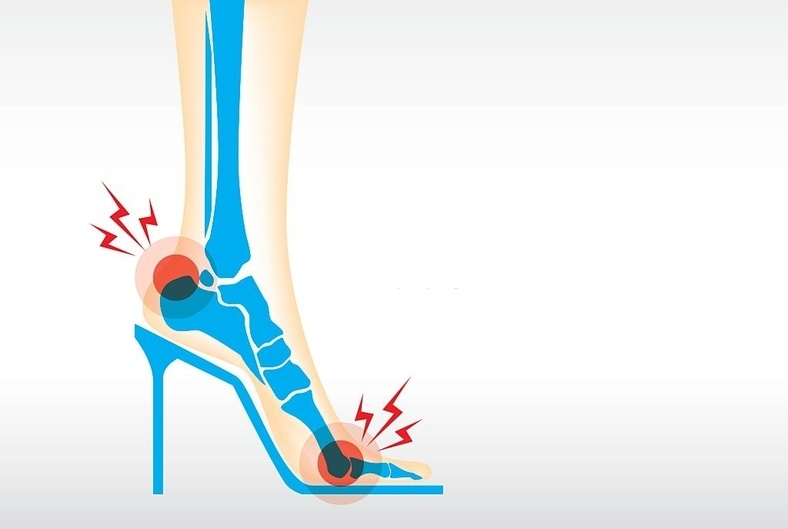
Avoid Wearing High Heels
You can say that high heels are one of the tools to make your legs taller, slimmer, and more beautiful. However, wearing high heels often can cause foot pain. High heels over 5cm, causing imbalance to the body, straining the leg muscles, causing knee pain, making walking less confident and stable as before. So, if possible, choose a pair of shoes with a height of about 1-2cm. Sports shoes and walking shoes with pointed toes are great suggestions for those who need to stand a lot when working.
Find A Place To Rest

Your job requires you to stand often, and you don’t have time for rest. However, if you can’t stop for a drink, give your feet a break. However, you can still work while resting by doing things perfectly for your feet. As simple as that, you can sit and answer the customer’s phone, record the customer’s requests and check the information of the orders for that day.
Finding a place for your feet to rest is not a wrong suggestion. During your lunch break, find a place to sit and elevate your legs so that your feet can rest. If you don’t have a chair, bring a folding chair to sit on. The ideal places you can rest your feet are the center’s dining place, lawn, fountain.

When you are standing all day, it’s important to take frequent breaks where you sit down and move around. This will help ensure that you reduce the risk for such issues as DVT and metabolic syndrome. If possible, set an interval where you walk every half hour, which will help oxygenate your blood and improve circulation. If you are standing, try to take a few steps in each direction every ten minutes or so.
Soaking Your Feet In Warm Water

You can relax your feet by soaking them in warm water for 10-15 minutes every night. Put a few grains of salt inside to get rid of the smell of your feet. Warm water also helps to relax the muscles of the legs.
This therapy can reduce pain and swelling, mainly if the pain is caused by muscle tension. The magnesium in salt helps to relax muscles. Do not use hot water and soak your feet for more than 30 minutes, making your feet dehydrated.
If your feet are swollen, you should soak your feet in ice water after you have done it with warm salt water until you feel your feet begin to numb (about 15 minutes). Always remember to clean your feet thoroughly after soaking your feet to avoid slipping and falling.
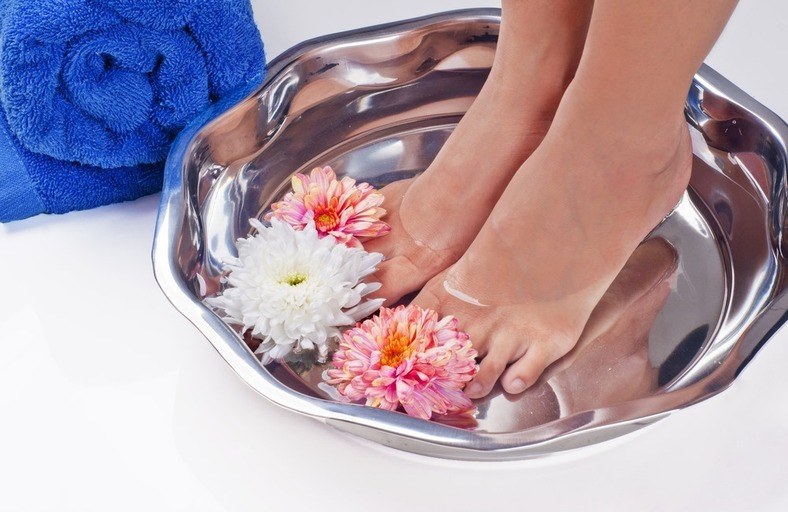
If you can, soak your feet in a bucket filled with hot water and Epsom salts. This will help relax your muscles and improve blood flow to your legs and feet. You can also try massaging some magnesium oil into the bottoms of your feet. This will help reduce muscle spasms. Another great way to relax your muscles is by soaking them in a hot bath with essential oils such as lavender or Roman chamomile. Just add about 8 drops of essential oil to 1/2 cup of baking soda or Epsom salt, then dissolve it in 1-2 cups of hot water before adding it to the tub.
Cold Compress
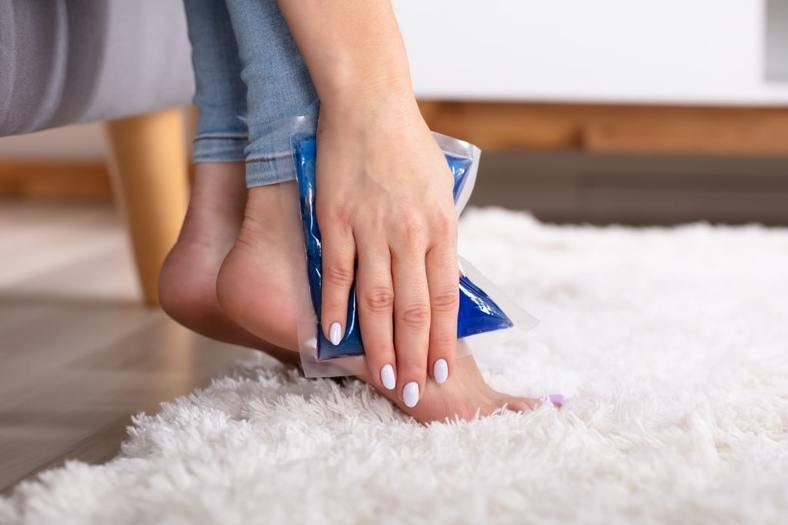
If your feet hurt from standing for too long, use a cold compress every night for 5 minutes. The cold will help you to reduce inflammation and reduce pain. After each working day, use a cold pack, massage from the feet to the thighs; the effect will be very effective.
Use Massage Therapy
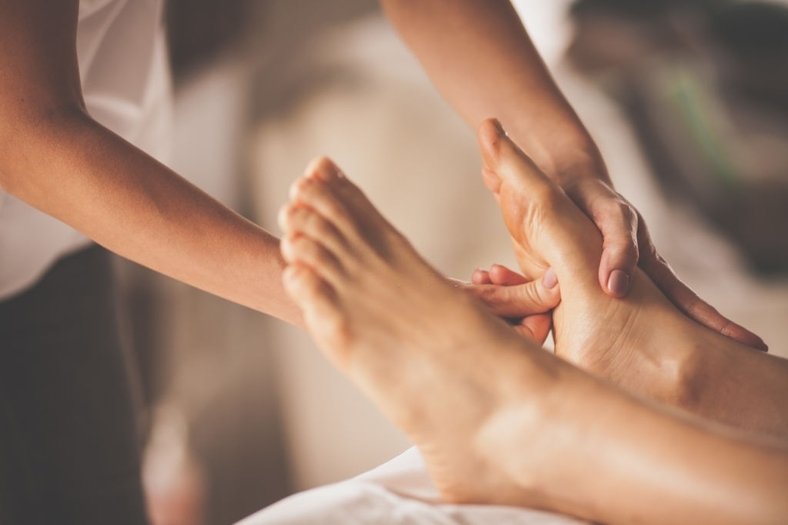
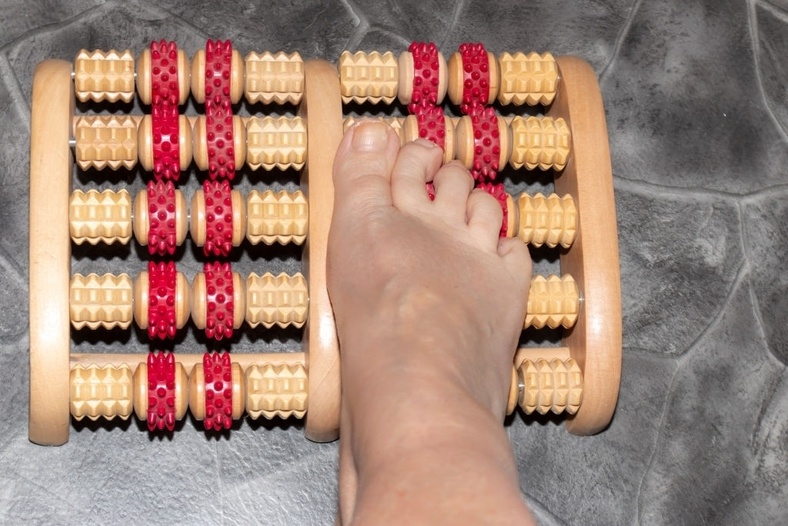
If you’ve tried the steps, but the headache on your legs persists, ask a loved one or close friend to massage them. Let’s start with the minor parts of the toes to help the veins return to the heart. In addition, you can use the wooden roller to massage the soles of your feet.
You can take a look at some of the examples of the awesome shoes for standing all day.
Raising Your Legs At Rest
Part of the cause of leg pain is swollen legs, so raising your legs while resting allows blood to move to your feet and back from your body. Taking off your nylon stockings/socks will also help cool your feet. It would help if you also kicked your legs to at least chest height to promote blood circulation. Use a pillow to support your legs while lying in an armchair, but don’t interfere with blood circulation by crossing your legs.

Using A Wooden Foot Roller
Rolling your feet on a wooden foot roller (which can be found at a drugstore) is an excellent way to massage and relieve muscle tension. For various reasons, natural wood is often more effective at relieving muscle tension than plastic, glass, or metal. It would help if you were looking for a roller with a pattern or groove.
Place the roller on the ground, perpendicular to your feet, and gently roll your feet for at least 10 minutes for each leg. Repeat as many times as necessary, although you may feel some pain the first time you use the foot roller.
Use Anti-inflammatories
One way to prevent this discomfort entirely is by using foot-health supplements and remedies, such as anti-inflammatories. These supplements help take the edge off of any inflammation that you’re experiencing in your feet. For instance, sodium hyaluronate is a common anti-inflammatory that can be found in many topical treatment creams.
Bathe Daily
A daily bath can help maintain healthy foot tissue, make it easier to clean off bacteria, and prevent odors from trapped sweat or filth from getting embedded in your skin.
Foam roll or tennis ball
Foam rolling is a method of applying pressure to a muscle through the use of a solid cylinder, typically foam or an inflated or semi-inflated ball. It can help to release built-up scar tissue, increase blood flow and lymphatic drainage, and stretch muscles.
The Tennis Ball is used as both physical therapy tool and a rehabilitation device for tendons, ligaments, and muscles. Tennis balls are also very handy for people who suffer from plantar fasciitis.

Using a foam roller can be one of the most effective ways to reduce pain and improve flexibility in your muscles. It loosens up your muscles, helps you get rid of muscle knots, and improves blood flow to your muscles. If you don’t have a foam roller, use a tennis or golf ball to roll your muscles. Use your body weight to push into the ball to massage the knots out of your muscles. When using a tennis ball, place it beneath your foot, then roll back and forth on top of it (rather than rolling on the ground). This is more effective than simply rolling on the ground.
Stretch
The foot is comprised of many unique muscles that must be stretched regularly in order to maintain proper alignment and strength.
When you are at work, it can be difficult to get in an effective workout. If possible, try taking a brisk walk or stretch before and after work to help your body relax and get rid of “muscle cramps” that can occur when sitting all day. Besides, you can do some exercises, for example riding a bike or working with resistance bands, to enhance your endurance.
Elevate your feet
Plant your feet on top of a stool or chair to keep them elevated above your heart. This will help facilitate proper blood flow and reduce swelling.
Invert your body
Inverting your ankles will help to decompress them and reduce swelling. Inversion also reduces stress from the supporting ligaments of the joint, which is a good thing as they will begin to deteriorate as you age.
Compress your calves
Stand on a step or chair with your legs bent, “cramped” at the calves. This will help to stretch the tendons of the lower leg and encourage blood flow to the area.
Stretching and foam rolling may not be enough to completely relieve your pain if you are suffering from Achilles tendonitis. The best way to reduce pain and prevent further injury is to work at strengthening these muscles (and tendons). To do this, simply elevate one leg (e.g. on a coffee table or chair), then flex your calf muscle by pushing your toes downwards. Do this for about 15 seconds, then switch sides. Repeat 3 times on each side.
Wear shoes with arch support
A good pair of shoes should fit properly, feel comfortable, and be capable of supporting your foot’s natural arch. If you have flat feet, choose shoes that have built-in arch support or purchase an insole that can easily be added to any shoe.
Simple arch supports are made from stiff cardboard covered with leather or plastic. These are generally inexpensive and easy to find, but they do not provide for much flexibility since they are not contoured to match the shape of the foot.
A recent study found that people with flat feet often benefit from the use of arch supports. The Running Shoes with Arch Support are designed to support your foot’s natural arch. They are usually made of one material, like rubber or plastic. The shoe should support the arches of the feet, while at the same time allowing for proper mobility and flexibility.
Related: Foot Pain & Benefits of Arch Support Sneakers.
Foot massage

If you don’t have time to take a walk during your break, you can do some light stretching and massage to improve circulation and reduce muscle pain. Simply massage the bottom of your feet for two minutes, both in circular motions and up and down. You may also want to press firmly on specific points. For example, gently pressing on the middle of the arch of your foot will stimulate pressure points that will help improve your circulation.
Elevate your feet
When you are at work, it’s important to try to ensure that your feet are elevated so that your legs don’t have to support all of the weight. During your break, don’t place your feet on the chair or desk, but place them on a footstool so that they are above the floor. You can also try adding a few pillows if something more stable is available.
Practicing yoga

Yoga offers a great way to keep your body active while you’re working and allows you to stay more flexible and healthy. In fact, the regular practice of yoga can help reduce pain from standing or walking for long periods of time. There are several different types of yoga that help improve your flexibility, balance, and strength in specific areas: Bikram Yoga: Bikram is the style of yoga most commonly practiced in hot rooms with high humidity and temperatures in excess 90 degrees.
Toe separators

These are sheets that you put under your toes to help prevent sores or blisters. The first time you try these, I suggest wearing them first thing in the morning (because it will be cold and you will be tired) and first thing in the afternoon (when temperatures are lower). You only need to wear them for around 5-7 days, so it is best to try on a pair of each different material.
Compression Socks can be Useful
Compression socks can reduce foot pain and soreness as well as increase circulation (which can also help improve flexibility). They also help to protect your feet from infections and other harmful bacteria.
How to Prepare Before Standing All Day?
Standing all day in heels is a surprising amount of work. Forget the long hours, it’s the practice. It’s not easy to walk around in uncomfortable shoes all day without falling over, so you have to get used to your look and the way that heels affect you before you enter a job that requires them. Here are a few things that can help make your feet less worn out and more comfortable by the end of a long shift:
Buy a good pair of shoes with proper support
You may be sitting down the whole time, but you’re still standing for at least 10 hours. The last thing you need is uncomfortable shoes that are snagging when you bend or twist. You’ll want something comfortable with enough support so that when you walk in, it doesn’t hurt to have your toes pointed up in the air. There are some good shoes for standing all day that are designed to take long hours of standing in stride.
Do your foot stretches before you’re going to work
Your feet are being held up in an unnatural position for long periods of time, so it’s only natural that they get tired. Keep them up for too long without resting and you can damage yourself. Spend a few minutes stretching out your toes and ankles before you head home to unwind from the day.
Get used to your feet before you get used to heels
This is especially important if you wear heels daily or have a very high arch. An arch specialist can check your feet to see if you have the right type of foot for heels, and they can probably tell you how long it will take you to get used to them. Practice walking in them at home. Stand on one spot for at least 10 minutes, then stand on another spot after that for another 10 minutes. That will get you used to the way that your feet move and how they handle the weight. Keep your toes pointed down as much as possible. Don’t point them out with every step, and don’t lift them off the ground. You’ll feel weird without them, but it will help relieve pressure on your feet and keep you from having blisters, which can be very uncomfortable and icky.
Be sure to wear socks and sandals when you aren’t at work.
The heels don’t like your feet to get crusty and that will happen if you don’t treat them right. So remember, even when you’re home, put on different shoes before you take them off.
Wear clean uppers
Sweat can get in your shoes during a long shift, so keep them dry by wearing the same style of shoe every day so they look good and feel good on your feet. Buy a few pairs so that you can alternate as needed.
Keep your shoes as clean as possible
Wipe them down with an anti-bacterial wipe or use a special spray to keep the oil from your feet from causing a stain on the shoes. Cleaning your shoes frequently will also keep them looking new and fresh during your shift.
Wear good socks
A lot of women don’t like to wear socks with their heels, but you should always wear them. The socks will keep your heels from slipping around in the shoes and also keep your feet cool. You can even buy a special kind to help keep your feet dry and clean, which will make your shoes look new longer.
Make sure that you’re wearing the right size shoe
Unless you know what the right fit is, always go one size up from what you usually wear. If you’re putting a lot of strain on your feet then it’s not just the heels that are causing you discomfort, it’s also your feet that could be causing problems as well. You can also try wearing a different style of shoe to see if anything feels better for your feet.
Go barefoot and oil your feet daily before and after work
This will help the skin and the muscles get fresh and not worn out. Your feet will thank you.
My Feet Hurt from Standing 8 Hours at Work

If you spend eight hours a day on your feet, chances are your feet hurt from standing up. In fact, most people spend five hours a day or more on their feet, which can contribute to painful arches and heels, calluses on the ball of the foot, plantar fasciitis, and Achilles tendonitis. Nevertheless…
Varicose veins are caused when the veins in the leg are stretched out. The condition typically occurs because of standing for long periods of time or being overweight. Varicose veins can also be inherited. Varicose veins are not dangerous, but they can damage the valves in the veins. If this happens, blood may clot in the veins, which can lead to swelling or ulcers.
Plantar fasciitis is a painful condition most common in runners, cyclists, and people who stand or walk on their feet for long periods of time. The plantar fascia is a band of tissue that extends from your heel to your toes. Sometimes, the plantar fascia becomes inflamed and painful due to too much strain on the band from activities such as running, dancing or using high heels.
General pain in the feet is usually indicative of the three main diseases of the foot: bunions, heel spurs, and plantar fasciitis. Prevention involves exercises to strengthen the arch.
Achilles tendonitis is an inflammation of the Achilles tendon, which is located in the back of your leg where your calf muscle attaches to your heel bone. This condition is caused by overuse, typically from running or playing sports that involve a lot of jumping or abrupt stopping, starting, or turning. It can also be caused by having flat feet or being overweight.
The Right Way To Stand For a Long Time
If you find yourself experiencing pain in your legs, feet, and lower back when standing all day, you may want to try changing the way you stand. There are some strategies that can reduce these symptoms:
First, try to change your position frequently. For example, every hour or so spend some time walking around (rather than standing). If you stand for too long, you may want to try standing on one leg instead. Another strategy is to switch between your left and right foot. This will ensure that the same muscles are not always using the same amount of energy (which can be more efficient).
Second, If standing for prolonged periods is unavoidable, try using an anti-fatigue mat to help relieve your pain. These mats are designed to help reduce pressure points which can cause pain. Standing on these mats can also encourage your body to stand more naturally (and not in an awkward position) by adjusting the way you distribute weight (depending on whether you are shifting weight onto different parts of your feet).
Third, be aware of your posture. For example, make sure you are standing up straight with your hips tilted slightly forward. You should also try to spread out the weight between both feet. If you are only putting the weight on one foot, it can put extra stress on that leg and lead to injury or pain in that area.
Sitting vs Standing at Work
Standing is considered to be the most inactive form of sitting. Workers spend an average of 7–9 hours a day standing up, which is almost double the amount they are using for sitting down.
Sitting burns up to 300 calories in less than an hour. However, standing burns approximately 350 calories in the same amount of time. This means that standing for office jobs could burn enough calories to offset the sitting done in the day.
Sitting increases the risk for lower back pain, carpal tunnel syndrome, metabolic syndrome, and obesity. This is a great example of how sitting can really affect one’s mental health. The person who sits the majority of the day has fewer opportunities to use their brain, which means they are probably more likely to have memory problems or physical problems like carpal tunnel syndrome.
The risk of mental health issues increases if the person has to sit for longer than six hours per day. People who spend substantial numbers of hours sitting down are at greater risk for these issues because they usually lack physical activity and are more likely to develop metabolic syndrome. Sitting may be linked to memory problems, depression, anxiety, hyperactivity, and less problem-solving abilities.
Standing at work may increase the risk of back pain. However, if you’re standing for less than an hour, then it does not seem to be connected with the risk of back problems.
The benefits of standing include increased oxygen supply to the body and enhanced circulation. Standing up for one’s job is linked to having a healthier lifestyle, exercising more frequently, eating better food, and being more productive at work.
Sitting down can cause your posture to deteriorate over time because your muscles become weaker without the ability to exert force.
“In short, it is recommended that people should remain at their desks for no more than a total of two hours a day. It is also important to drink plenty of water and move around while sitting.”
How to Improve Your Workspace to Reduce Standing-Related Injuries
It is no secret that standing all day can lead to aching and worse for your body. That’s why we’ve put together this post all about how to improve your workspace to reduce standing-related injuries.
- Raise your work surface.Raise your desk, if possible, by about three to six inches. The reason we want to raise our desk is because we don’t want to be standing on such a low surface.
- Invest in a standing mat for underneath your feet. This will help you work with comfort and will keep your feet from aching as you stand all day.
- Get an adjustable-height desk or stand-up desk for your workstation, if possible It is much easier to be comfortable throughout the day if you can move around and change your heights depending on how you’re feeling.
- Ensure that your computer keyboard is at arm’s length from your body. Most people should be able to sit comfortably right in front of their monitors, but if there is a problem with your neck or back, you need a keyboard which is at least 22 inches away from you.
- Make sure to change the height of your chair every so often. This will help keep your muscles and joints healthy and active, keeping them strong enough to deal with daily tasks.
- Take frequent stretch breaks throughout the day. Stretching will help with your circulation and will keep your body healthy throughout your workday.
- Try to alternate between standing and sitting throughout the day, instead of constantly remaining on either feet or sitting down all day long . This will ensure that you are not sitting down all day long to be able to stand again.
- Make sure to take at least one day off per week so you can rest up and feel energized for the next week of hard work.
- Use a timer to remind yourself to sit down, take stretch breaks and stand up for work.
This will help you take breaks at least once an hour and give you a good idea of how long your working day is every time you stand up. - If possible, try to use a treadmill desk for some of your day so you can stand up while moving around rather than having to sit down for hours on end .
- Stand up and walk about for a few minutes several times per hour. It’s okay to take a break from standing for a few minutes every hour, as long as you follow the tip above and make sure to change your heights throughout the day.
- Add a foot rest to your desk.This will help you stand and be able to work in comfort and without feeling uncomfortable, and it will help ensure that your foot never falls asleep!
- Wrap a heating pad around your feet as you stand and work.This will help to keep your feet warm and comfortable all day long so that they don’t ache or fall asleep too easily .
- Add gel shoe inserts for added support and comfort.These will help with shock absorption so your joints and muscles don’t take on too much pressure .
Foot Care

The best type of shoes for standing all day are open-toed or slip-on shoes that allow you to easily change your position at work. This will also help you avoid a common problem, excessive pronation. If possible, avoid shoes with high heels.
You may want to consider getting custom-made orthotics that fit into your work shoes. This can help prevent further injury and reduce pain, as well as help ensure that you have the most comfortable shoes for standing all day. If you wear shoes that don’t fit well (such as running shoes), they may be too tight and constrict blood flow. Also, make sure that your shoes allow you to move around freely without causing pain (e.g., if they rub against your Achilles tendon when you walk).
In Conclusion
If you are standing behind the counter, there should be a chair or a small platform. You can stand on one foot and relax on the other foot on the platform. A small mat to make your feet more comfortable, plastic or fabric is delicate. Standing on a hard surface overloads the Achilles tendons and muscles. If you have to stand as a mannequin, such as welcoming guests, for example, you should step back and forth according to the greeting gesture or often change the direction a bit.
The above are ways to stand for a long time without foot pain to help you minimize foot pain when standing for too long. If you need a solution for your feet, try these methods right away. Hopefully, this article will give you a healthy foot, giving you plenty of energy to complete all tasks.
FAQs
How can I stop my legs from aching after work?
Do some light stretching after work to help reduce pain in your legs. You can also do some foot massages or Epsom salt baths. It is important to keep your legs strong, so you should work out at least twice per week.
Keep your feet clean and dry: Walking around all day in dirty or wet shoes will cause problems for your feet, so make sure they are clean and dry before you start working.
Can stand for too long hurt your legs?
Yes, standing for too long can lead to pain in your legs. The main reason why this happens is that you are not moving around enough to keep the circulation going. This will put too much stress on one area of your legs, which can cause pain. To avoid this problem, try to take breaks every hour or so where you walk around for a few minutes.
What helps with pain from standing all day?
There are some things that can help relieve pain in your legs. Massaging the bottom of your feet with magnesium oil will help reduce muscle spasms, which will reduce the pain. You can also try soaking in a hot bath with essential oils like lavender or Roman chamomile. Just add about 8 drops of essential oil to 1/2 cup baking soda or Epsom salt, then dissolve it in 1-2 cups of hot water before adding it to the tub.
Does standing all day burn calories?
There have been a few studies done on this topic, and it does depend on the person. For example, one study found that standing for 8 hours at work does not burn as many calories as sitting all day. Another study found that someone who weighs 150 pounds would burn about 16 calories standing instead of sitting all day. It’s also important to note that if you are standing all day, it will also lead to more stress being put on your back from the weight being distributed differently (which can be painful).
